5 Simple Hygiene Habits to Support a Healthy Sex Life
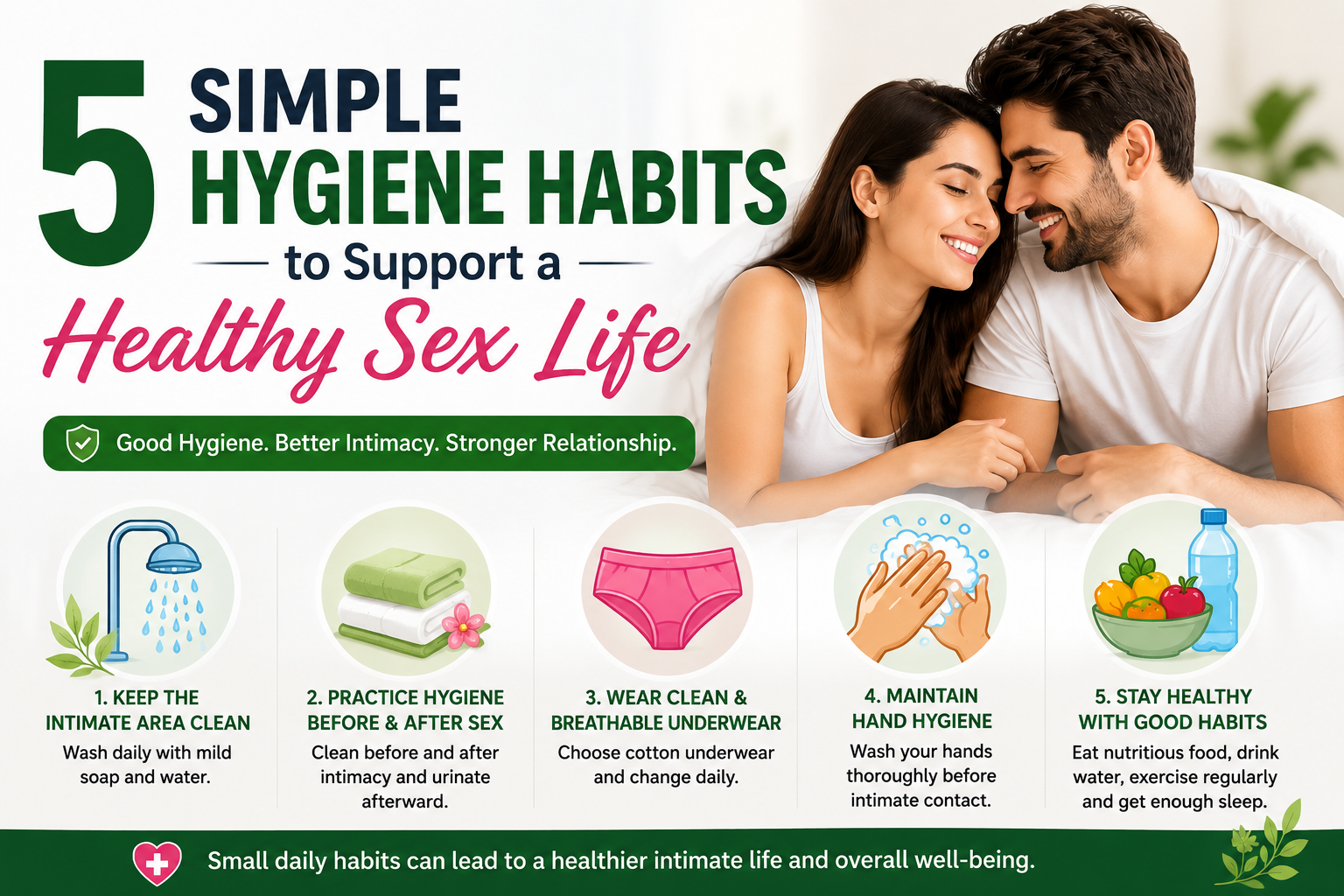
Maintaining good personal hygiene is essential not only for your overall well-being but also for a healthy and satisfying sex life. Proper intimate care can help reduce the risk of infections, improve comfort, and boost confidence for both partners. Here are five important hygiene tips that everyone should follow.
1. Clean the Intimate Area Daily
Wash the genital area gently with lukewarm water every day. Avoid using harsh soaps, scented products, or douches, as they can disrupt the natural balance of healthy bacteria and cause irritation.
2. Practice Good Hygiene Before and After Sex
Cleaning the intimate area before and after sexual activity helps reduce the risk of bacterial and urinary tract infections. Urinating after sex is also recommended, especially for women, as it may help flush bacteria from the urinary tract.
3. Wear Clean and Breathable Underwear
Choose cotton underwear that allows proper airflow and helps keep the intimate area dry. Change underwear daily and after heavy sweating or exercise to maintain hygiene.
4. Maintain Proper Grooming and Hand Hygiene
Trim pubic hair according to your preference while keeping the area clean. Wash your hands thoroughly before intimate contact to minimize the spread of germs and infections.
5. Stay Healthy Through Nutrition and Hydration
A balanced diet, adequate water intake, regular exercise, and sufficient sleep support the immune system and contribute to better reproductive and sexual health. Limiting smoking and excessive alcohol consumption can also have positive effects on overall wellness.
Additional Tips for Better Intimate Health
- Avoid sharing towels or personal hygiene items.
- Use protection during sexual activity to reduce the risk of sexually transmitted infections (STIs).
- Schedule regular health check-ups and STI screenings if appropriate.
- Communicate openly with your partner about sexual health and hygiene.
Common Mistakes to Avoid
- Using heavily scented intimate hygiene products.
- Wearing damp or tight-fitting underwear for long periods.
- Ignoring persistent itching, unusual discharge, sores, or pain.
- Self-medicating without consulting a healthcare professional.
Conclusion
Good personal hygiene is a simple yet powerful way to support a healthier sex life. Daily cleanliness, safe sexual practices, proper nutrition, and regular medical check-ups can help reduce the risk of infections while improving comfort and confidence. If you experience persistent symptoms such as unusual discharge, pain, itching, or sores, seek advice from a qualified healthcare professional for proper evaluation and treatment.