
Kidney Stone (Pathri) - Unani Treatment in Amroha
Kidney stones are hard deposits of minerals and salts that form inside the kidneys. Small stones may pass on their own with plenty of fluids, while larger stones can block urine flow and cause severe pain. Stones are common in hot climates like Uttar Pradesh, especially when people drink too little water.
At Hashmi Dawakhana, Amroha, our hakims review your ultrasound report and symptoms, then plan Unani treatment for kidney stone together with diet and fluid guidance. Many people ask about Ayurvedic remedies for stones; Unani has its own classical approach (Hisat-e-Kulliya), and we will tell you honestly when a stone needs a urologist instead.
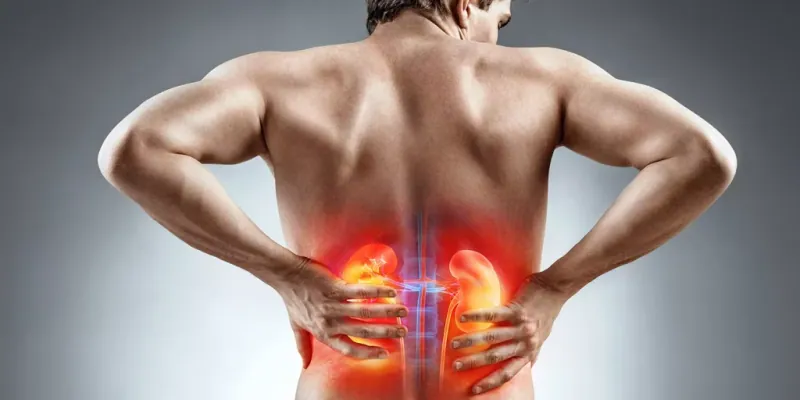
Common signs and symptoms
- Sharp pain in the back or side, often spreading to the lower abdomen or groin
- Pain that comes in waves
- Burning or frequent urination
- Pink, red or brown urine
- Nausea or vomiting with pain
Possible causes
- Drinking too little water, especially in summer
- Diet high in salt, animal protein or oxalate-rich foods
- Obesity, diabetes and certain digestive conditions
- Family history of stones
- Recurrent urinary infections
How Unani medicine approaches it
In Unani medicine, kidney stones (hisat-e-kulliya) are linked to thickened humours and impaired urinary excretion. Treatment traditionally uses diuretic formulations (mudirr-e-baul) to help small stones pass and to lower the chance of new ones, along with diet changes. Evidence that any herbal medicine dissolves stones is limited.
Size and position matter. Stones that are small and not causing blockage are more suitable for conservative care. Large stones, blockage, infection or uncontrolled pain need urgent hospital or urologist care.
- Review of ultrasound or CT report for stone size and position
- Individually prescribed Unani formulations for small stones and prevention
- Fluid plan - typically enough to pass 2-2.5 litres of urine a day
- Diet guidance based on the likely stone type
- Follow-up ultrasound to check progress
What happens in a consultation
- 1Book a free, confidential consultation by phone, WhatsApp, video call or a clinic visit in Amroha (clinic open 11 AM - 8 PM, every day).
- 2Dr. Hashmi (BUMS, MD) takes a detailed history - symptoms, duration, lifestyle, sleep, diet and any medicines you already take.
- 3Your temperament (mizaj) and general health are assessed; tests may be advised if needed.
- 4You receive an individual treatment plan with diet and lifestyle guidance, and follow-ups to review progress.
Lifestyle tips that help
- Drink water regularly through the day; more in summer and after exercise
- Reduce salt, packaged foods and excessive meat
- Do not cut out calcium-rich foods unless advised - normal dietary calcium helps
- Add lemon water and citrus fruits
- Keep a healthy weight
When should you see a doctor?
Go to a hospital urgently if you have severe pain that does not settle, fever with chills, vomiting that prevents drinking, blood clots in urine or very little urine. These can mean blockage or infection.