Acidity, Gas and Bloating: Causes, What to Eat, Daily Habits and Warning Signs
By Hashmi Dawakhana
Burning in the chest, sour burps, a tight, swollen stomach - acidity and gas are among the most common complaints in every Indian home. Most cases improve with simple changes, but a few signs need a doctor.
Key takeaways
- Late, heavy, fried or spicy meals, tea on an empty stomach, smoking and stress are common triggers of acidity.
- Smaller meals, dinner two to three hours before bed and a short walk after eating help most people.
- Chest pain with sweating, breathlessness or pain spreading to the arm or jaw can be a heart attack - get help at once.
- Acidity with difficulty swallowing, vomiting blood, black stools or weight loss needs a doctor.
What is acidity?
Acidity usually means acid reflux: stomach acid rising into the food pipe, causing burning behind the breastbone (heartburn), sour burps or a bitter taste. Indigestion, gas and bloating often come with it. When it happens twice a week or more for weeks, doctors call it GERD (gastro-oesophageal reflux disease).
Common causes of acidity and gas
- Large meals, late dinners and lying down soon after eating.
- Fried, oily and very spicy food, and lots of tea or coffee - especially on an empty stomach.
- Smoking, gutka and alcohol.
- Stress, poor sleep and eating in a hurry.
- Extra weight around the waist and tight belts or clothes.
- Some medicines, especially painkillers such as ibuprofen and diclofenac taken often.
- Gas and bloating: rajma, chhole, cabbage and onions for some people, fizzy drinks, chewing gum, constipation and, in some, milk (lactose intolerance).
What to eat and what to limit
- Regular meals at fixed times; do not skip breakfast and then eat a very heavy lunch.
- Light, home-cooked food: dal, khichdi, curd or buttermilk (if it suits you), vegetables and roti.
- Fruits such as banana and papaya often suit people with acidity.
- Limit fried snacks, pickles, very spicy gravies, sweets and packaged food.
- Keep tea and coffee to one or two cups, never on an empty stomach.
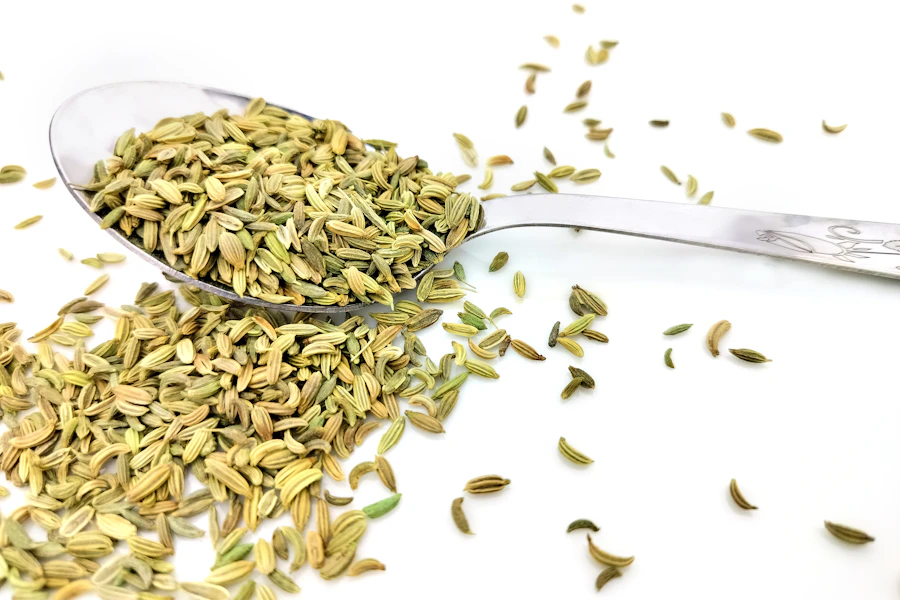
- Many families use saunf (fennel) or a little jeera after meals; in food amounts these are fine to try.
Daily habits that help
- Eat dinner at least two to three hours before going to bed.
- Take a gentle 10-15 minute walk after meals instead of lying down.
- Raise the head end of the bed by a few inches if acidity troubles you at night.
- Eat slowly and chew well; do not talk on the phone while eating.
- Lose extra weight around the waist and stop smoking.
- Do not rely on antacids every day - if you need them often, see a doctor.
When it is not acidity: warning signs
A heart attack can feel like acidity, especially in people with diabetes, high blood pressure or a family history of heart disease. Chest pain or pressure with sweating, breathlessness, nausea or pain spreading to the arm, jaw or back needs emergency care - do not wait to see if an antacid works.
- Difficulty or pain in swallowing, or food sticking.
- Vomiting blood or material like coffee grounds, or black stools.
- Weight loss without trying, or loss of appetite.
- Acidity starting for the first time after 50, or not settling with simple changes.
- Pain in the upper right belly after fatty meals, or yellow eyes.
Acidity ka ilaj at Hashmi Dawakhana
In Unani medicine good digestion (hazm) is at the centre of health. At Hashmi Dawakhana, a Unani & Ayurvedic healthcare center in Amroha, Dr. Hashmi (BUMS, BAMS, MD) asks about your meals, routine and other medicines, checks for warning signs, and plans natural, herbal Unani or Ayurvedic treatment with diet advice for your temperament. The consultation is free and confidential - in the clinic, by phone or on WhatsApp.
Frequently asked questions
Is it safe to take antacids every day?
An occasional antacid is fine. Needing one every day, or taking acid-reducing tablets for months, should be discussed with a doctor to find and treat the cause.
Does milk help acidity?
Cold milk can give short relief for some people, but milk can also increase acid later and causes gas in people who do not digest lactose well.
Why do I get gas and bloating every evening?
Common reasons are eating quickly, long gaps between meals, heavy lunches, constipation and foods such as rajma or chhole. A food diary for a week often shows the pattern.
Can stress cause acidity?
Yes. Stress and poor sleep make the stomach more sensitive and change eating habits; managing stress often reduces symptoms.