Air Pollution and Breathing Problems: How to Protect Your Lungs in the Smog Season
By Hashmi Dawakhana
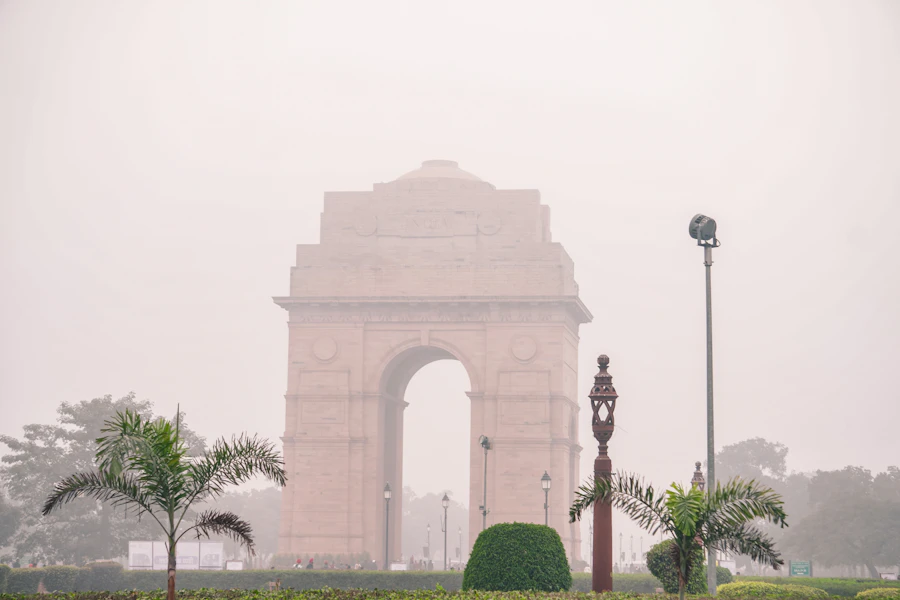
Every winter, smog settles over North India and coughs, wheezing and asthma attacks rise. Here is how pollution affects the body, the simple steps that reduce your exposure and when breathlessness needs urgent help.
Key takeaways
- Fine particles (PM2.5) in smog go deep into the lungs and can worsen asthma, cough and heart disease.
- Check the daily AQI and move outdoor exercise indoors or to a cleaner part of the day when it is poor.
- Only well-fitting N95 or N99 masks filter fine particles; cloth masks do little.
- Keep using asthma or COPD inhalers as prescribed - never stop them in the smog season.
How smog affects your health
In winter, cold, still air traps smoke and dust close to the ground. The most harmful part is PM2.5 - particles so small that they reach deep into the lungs and even the bloodstream. They irritate the airways, causing cough, a sore throat, burning eyes and breathlessness, and they can trigger asthma attacks and worsen COPD and heart disease.
Children, older people, pregnant women and anyone with asthma, COPD, diabetes or heart disease are most at risk.
Check the AQI every day
- 0-50 good, 51-100 satisfactory, 101-200 moderate, 201-300 poor, 301-400 very poor, above 400 severe (India’s Air Quality Index).
- Use the SAMEER app or a weather app to see your city’s AQI.
- On “poor” days and worse, cut down long or hard outdoor activity; on “severe” days stay indoors as much as possible.
Simple ways to protect your lungs
- Move morning walks indoors or to the afternoon, when smog is often lighter.
- Wear a well-fitting N95 or N99 mask outdoors on bad days; cloth and surgical masks do not filter fine particles well.
- Keep windows closed when the AQI is high and open them when it improves.
- Do not burn wood, coal, rubbish or mosquito coils indoors, and avoid incense in closed rooms.
- Clean floors with a damp mop rather than a broom, which stirs dust.
- An air purifier with a HEPA filter helps in a closed bedroom; indoor plants look nice but do not clean the air noticeably.
- Drink warm fluids, and gargle with warm salt water if your throat feels sore.
If you have asthma or COPD
- Keep taking your preventer inhaler every day as prescribed, even when you feel well.
- Carry your reliever inhaler, and learn the right way to use it (a spacer helps).
- Ask your doctor for an action plan: what to do when symptoms increase.
- Ask about the yearly flu vaccine and the pneumonia vaccine, especially if you are over 60.
When to get help urgently
- Breathlessness at rest, or trouble speaking in full sentences.
- Blue or grey lips or fingertips.
- Wheezing that does not settle with your reliever inhaler.
- Chest pain, a racing heart or fainting.
- High fever with cough, or coughing up blood.
Dama aur saans ki takleef - care at Hashmi Dawakhana
Unani medicine calls asthma zeeq-un-nafas. At Hashmi Dawakhana, a Unani & Ayurvedic healthcare center in Amroha, Dr. Hashmi (BUMS, BAMS, MD) offers natural, herbal Unani or Ayurvedic care with diet and routine advice for cough, allergies and asthma - always alongside, never instead of, the inhalers and medicines your doctor has prescribed. The consultation is free and confidential.
Frequently asked questions
Which mask protects against pollution?
A well-fitting N95 or N99 mask that seals around the nose and chin. Cloth and loose surgical masks do not filter PM2.5 well.
Is it safe to go for a morning walk in winter smog?
On poor or severe AQI days, it is better to walk indoors or later in the day. Early mornings often have the thickest smog.
Does steam inhalation help?
Steam can make a blocked nose feel better for a while, but it does not remove pollution from the lungs. Be careful with hot water, especially around children.
Can Unani medicine replace my asthma inhaler?
No. Inhalers prescribed by your doctor must continue. Unani and Ayurvedic care can be given alongside them.