Blood Sugar Control: Diet, Walking, Tests and the Mistakes to Avoid
By Hashmi Dawakhana
Diabetes (sugar) is now common in Indian families. Good control depends mostly on what you do every day - your plate, your walk and your sleep - together with the medicine your doctor prescribes.
Key takeaways
- Fill half the plate with vegetables, a quarter with protein and a quarter with whole grains.
- A 10-15 minute walk after meals lowers the rise in sugar after eating.
- Never stop or change diabetes medicine on your own, even when your readings are normal.
- Check HbA1c every three months, and your eyes, kidneys and feet every year.
Why sugar control matters
An ICMR study published in 2023 estimated that more than 10 crore people in India have diabetes, and many more have prediabetes. High sugar over years damages the eyes, kidneys, nerves, heart and feet. The good news: steady control prevents or delays most of these problems.
For many adults, doctors aim for an HbA1c (the three-month average) below about 7%, and fasting sugar of roughly 80-130 mg/dL. Your own targets depend on your age and health - ask your doctor.
The diabetes plate
- Half the plate: vegetables and salad - lauki, tori, palak, cauliflower, beans, cucumber.
- A quarter: protein - dal, chana, paneer, curd, eggs, fish or chicken.
- A quarter: whole grains - whole-wheat or multigrain roti, bajra, jowar or ragi, or a small portion of rice.
- Whole fruit in small portions instead of juice; avoid sweets, sugary tea, cold drinks and packaged snacks.
- Eat at regular times. If you take insulin or certain tablets, do not skip meals - it can make sugar fall too low.
Walking and exercise
- A brisk 10-15 minute walk after each main meal lowers the sugar rise after eating.
- Aim for about 150 minutes of brisk walking or other exercise a week, plus some muscle-strengthening (for example climbing stairs, light weights).
- Check your feet after walking, and wear comfortable shoes and socks.
Sleep, stress and weight
Poor sleep and stress raise sugar levels. Aim for 7-8 hours of sleep and find a way to unwind each day. If you are overweight, losing even 5-10% of your weight improves sugar control.
Common mistakes to avoid
- Stopping or reducing medicine when readings look normal - normal readings usually mean the medicine is working.
- Replacing medicine with karela juice, methi or other home remedies; they can be part of the diet, not a substitute.
- Buying unlabelled “sugar-free” powders or capsules - some have been found to contain hidden drugs.
- Skipping regular tests because you feel fine.
- Ignoring small cuts or blisters on the feet.
Tests you need
- HbA1c every three months (every six months once stable).
- Kidney tests (urine albumin and creatinine) and cholesterol once a year.
- An eye check (retina) once a year.
- Blood pressure at every visit, and a foot check yourself every day.
When to see a doctor quickly
- Sugar above 300 mg/dL again and again, with thirst, passing a lot of urine or drowsiness.
- Low sugar symptoms - sweating, shaking, confusion. Take glucose or sugar at once, then call your doctor.
- A foot wound that is red, swollen or not healing.
- Blurred vision, chest pain or breathlessness.
Sugar ka unani ilaj at Hashmi Dawakhana
Unani medicine calls diabetes ziabetus. At Hashmi Dawakhana, a Unani & Ayurvedic healthcare center in Amroha, Dr. Hashmi (BUMS, BAMS, MD) gives natural, herbal Unani or Ayurvedic support with a diet and routine plan - alongside, never instead of, the diabetes medicine and insulin your doctor prescribes. The consultation is free and confidential.
Frequently asked questions
Can I eat rice if I have diabetes?
A small portion, ideally with plenty of vegetables and dal, is usually fine. Whole grains and millets raise sugar more slowly than white rice.
Which fruits are good for diabetes?
Most whole fruits in small portions - guava, apple, orange, papaya, berries. Avoid fruit juice and limit very sweet fruits such as mango and chikoo.
Can diabetes be controlled without medicine?
Some people with early or prediabetes control sugar with diet, exercise and weight loss under a doctor’s supervision. Many need medicine as well - only your doctor should decide on changes.
How often should I check my sugar at home?
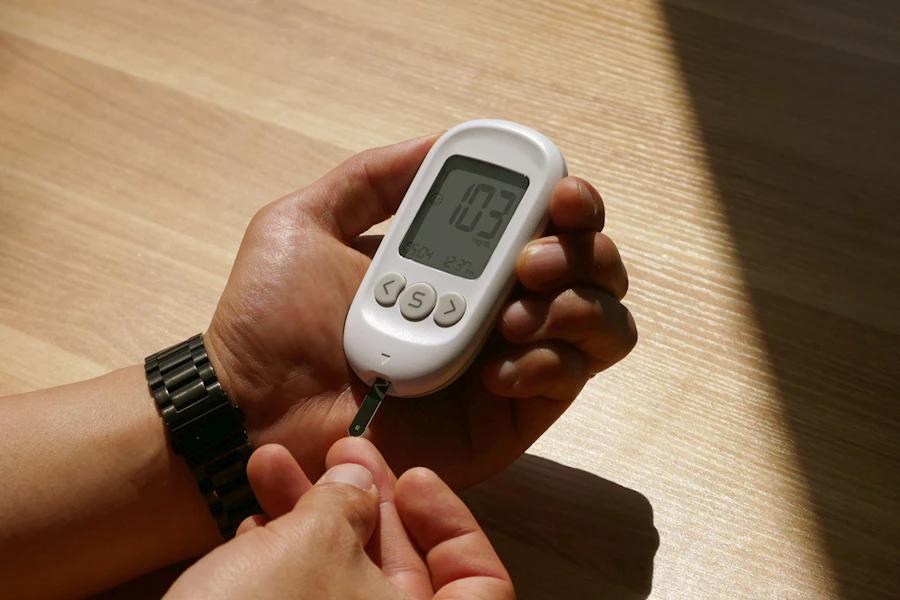
It depends on your treatment. People on insulin check more often; others may check a few times a week. Ask your doctor for a schedule.