Early Signs of Hormonal Imbalance in Women
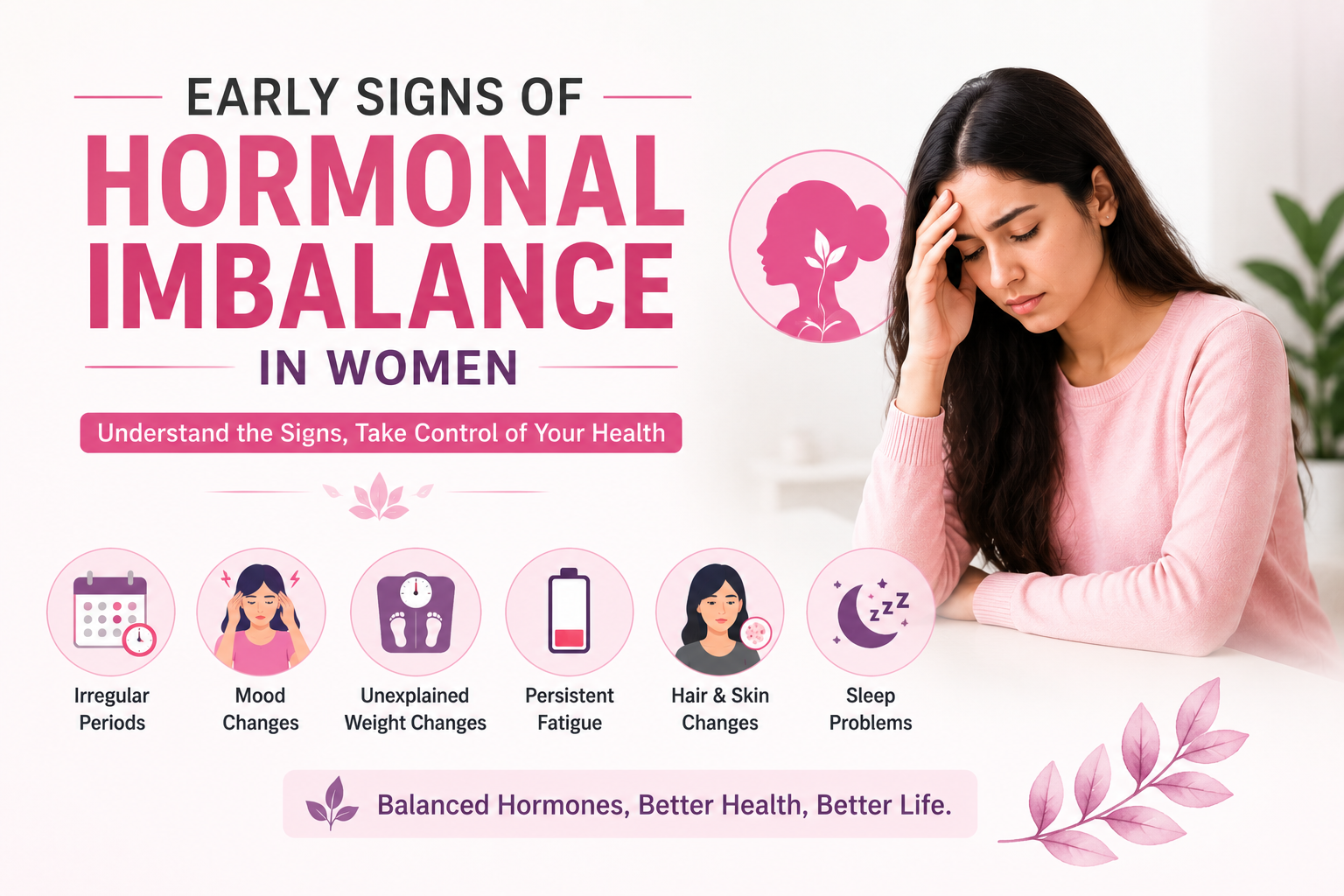
Hormones help regulate many important functions in a woman's body, including menstruation, metabolism, mood, sleep, and reproductive health. When hormone levels become unbalanced, various symptoms may appear that affect daily life and overall well-being.
What Is Hormonal Imbalance?
Hormonal imbalance occurs when the body produces too much or too little of certain hormones. Temporary changes may happen during puberty, pregnancy, or menopause, while persistent symptoms may require medical evaluation.
Common Signs
1. Irregular Menstrual Cycles
Periods that become unpredictable, unusually heavy, or unusually light may indicate hormonal changes.
2. Mood Changes
Frequent mood swings, irritability, anxiety, or sadness can sometimes be linked to hormone fluctuations.
3. Unexplained Weight Changes
Hormonal changes may influence metabolism and body weight.
4. Persistent Fatigue
Feeling tired even after adequate rest may be associated with hormone imbalance.
5. Hair and Skin Changes
Hair thinning, acne, or dry skin may occur in some women.
6. Sleep Problems
Difficulty sleeping or poor-quality sleep can sometimes be related to hormonal changes.
Healthy Ways to Support Hormonal Balance
- Eat a balanced diet.
- Exercise regularly.
- Sleep 7–9 hours daily.
- Manage stress.
- Stay hydrated.
- Maintain a healthy body weight.
When to Consult a Doctor
Consult a healthcare professional if symptoms persist, menstrual changes continue for several months, or daily life is significantly affected.
Conclusion
Recognizing the early signs of hormonal imbalance can help women seek timely care. Healthy lifestyle habits and professional medical advice can support long-term hormonal health.