Erectile Dysfunction: Causes, Symptoms, Lifestyle Factors and When to Seek Help
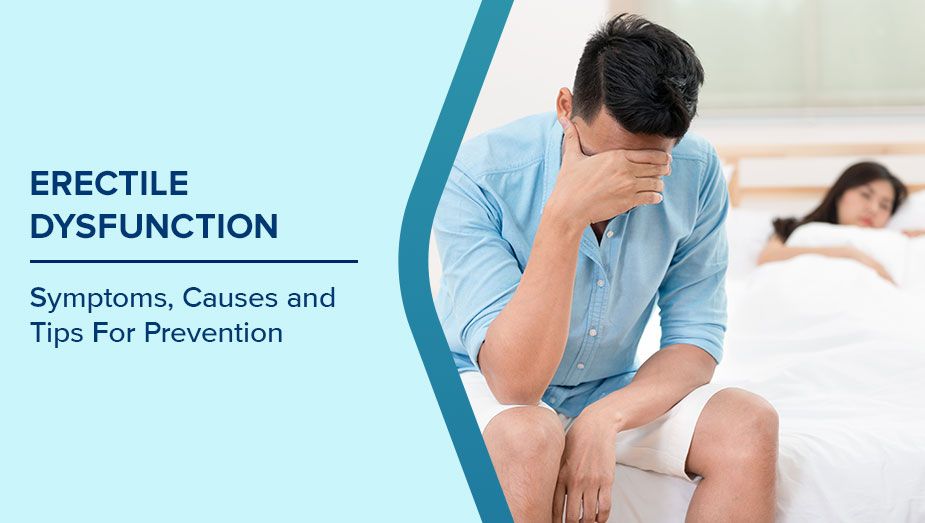
What Is Erectile Dysfunction?
Erectile dysfunction (ED) is a common sexual health concern in which a man has difficulty getting or maintaining an erection that is firm enough for sexual activity. Occasional erection difficulties can happen to many men, particularly during periods of stress, tiredness, or emotional pressure.
However, when erection problems happen regularly or begin to affect confidence and relationships, it is important to understand what may be contributing to the problem.
Erectile dysfunction is not simply a matter of sexual performance. In some cases, it may be associated with physical health, mental wellbeing, lifestyle habits, or certain medications. This is why understanding the underlying factors can be more useful than simply focusing on the symptom.
Common Symptoms of Erectile Dysfunction
The symptoms can vary from person to person. Some men may experience:
- Difficulty getting an erection
- Difficulty maintaining an erection
- Erections that are not firm enough for sexual activity
- Reduced confidence during intimacy
- Anxiety about sexual performance
- Reduced interest in sexual activity because of repeated difficulties
Experiencing one of these symptoms occasionally does not necessarily mean that a person has erectile dysfunction. Persistent or recurring problems deserve more attention.
What Causes Erectile Dysfunction?
Erectile dysfunction can have several possible causes. Sometimes more than one factor contributes to the problem.
1. Stress and Anxiety
Mental stress can have a significant effect on sexual wellbeing. Work pressure, financial concerns, relationship problems, and anxiety about sexual performance may make it difficult to relax during intimacy.
Performance anxiety can sometimes create a cycle where worrying about an erection makes it harder to maintain one.
2. Lifestyle Habits
Lifestyle can influence overall health and sexual wellness. Smoking, excessive alcohol consumption, lack of exercise, poor sleep, and an unhealthy diet may contribute to sexual difficulties.
Making healthier lifestyle choices can support general wellbeing and may benefit sexual health as well.
3. Health Conditions
Some health conditions can be associated with erectile difficulties. These may include diabetes, cardiovascular conditions, obesity, hormonal concerns, and other medical problems.
If erection difficulties are persistent, discussing them with a healthcare professional can help determine whether further evaluation is appropriate.
4. Medications
Certain prescription medicines can affect sexual function in some individuals. If you believe a medication may be contributing to your symptoms, do not stop taking it on your own. Discuss your concerns with the healthcare professional who prescribed it.
The Connection Between Sleep and Sexual Health
Sleep is an important part of overall health. Regularly getting inadequate or poor-quality sleep may contribute to tiredness, low energy, stress, and changes in sexual wellbeing.
Maintaining a consistent sleep schedule and giving your body enough time to rest can be a useful part of a healthy lifestyle.
Can Lifestyle Changes Help?
A healthy lifestyle can support overall physical and sexual wellbeing. Helpful habits may include:
- Staying physically active
- Maintaining a healthy weight
- Eating a balanced diet
- Getting adequate sleep
- Managing stress
- Avoiding smoking
- Limiting excessive alcohol consumption
These habits should be viewed as part of overall health rather than a guaranteed treatment for erectile dysfunction.
When Should You Consult a Doctor?
If erection problems occur repeatedly, last for an extended period, or are affecting your relationship and confidence, consider speaking with a qualified healthcare professional.
A professional can discuss your symptoms, health history, lifestyle, medications, and other relevant factors. This can help identify possible causes and determine whether further evaluation or treatment is appropriate.
Avoid Self-Medication
Many products marketed online promise instant solutions for sexual problems. Some may not be suitable for everyone and may carry risks, particularly if they contain undisclosed ingredients or interact with other medicines.
Avoid taking sexual enhancement medicines, hormones, or supplements without appropriate professional advice.
Final Thoughts
Erectile dysfunction is a common sexual health concern and is nothing to be ashamed of. It can be influenced by physical, psychological, lifestyle, and relationship factors.
The most important step is not to ignore a persistent problem. Understanding the possible causes, maintaining healthy habits, and seeking professional advice when needed can help men take better care of their sexual health and overall wellbeing.