Irregular and Painful Periods: Causes, PCOS, Hormonal Imbalance and When to See a Doctor
By Hashmi Dawakhana
Late, missed, very heavy or very painful periods are common, but they are not something to simply put up with. Here is what is normal, what causes the changes and how they are looked into.
Key takeaways
- A cycle of 21-35 days with bleeding for 2-7 days is usual for adult women; occasional changes are common.
- PCOS and thyroid problems are the most common hormonal causes of irregular periods.
- Some period pain is normal; pain that stops daily life or gets worse each year should be checked.
- Missed periods for three months, very heavy bleeding or bleeding between periods need a doctor.
What is a normal period?
For most adult women a cycle - from the first day of one period to the first day of the next - lasts 21 to 35 days, and bleeding lasts 2 to 7 days. In the first years after periods start, and in the years before menopause, cycles are often less regular.
Periods are called irregular when the length of the cycle keeps changing a lot, when they come more often than every 21 days, less often than every 35 days, or stop for months.
Common causes of irregular periods
- PCOS (polycystic ovary syndrome): irregular or missed periods, often with acne, extra facial hair, hair thinning and weight gain. Indian studies estimate that roughly one in ten women of reproductive age has PCOS, depending on how it is measured.
- Thyroid problems - both an underactive and an overactive thyroid.
- A high prolactin level, sometimes with milky discharge from the breasts.
- Stress, sudden weight loss or gain, very heavy exercise or illness.
- Breastfeeding, some contraceptives and approaching menopause.
- Pregnancy - always take a pregnancy test if a period is late.
Signs of hormonal imbalance in women
- Periods that are irregular, very heavy or missing.
- Acne, oily skin, extra hair on the face or body, or hair thinning on the scalp.
- Weight gain, especially around the waist, or difficulty losing weight.
- Tiredness, mood changes and poor sleep.
- Low desire (low libido in women) and difficulty conceiving.
Painful periods (periods mein dard)
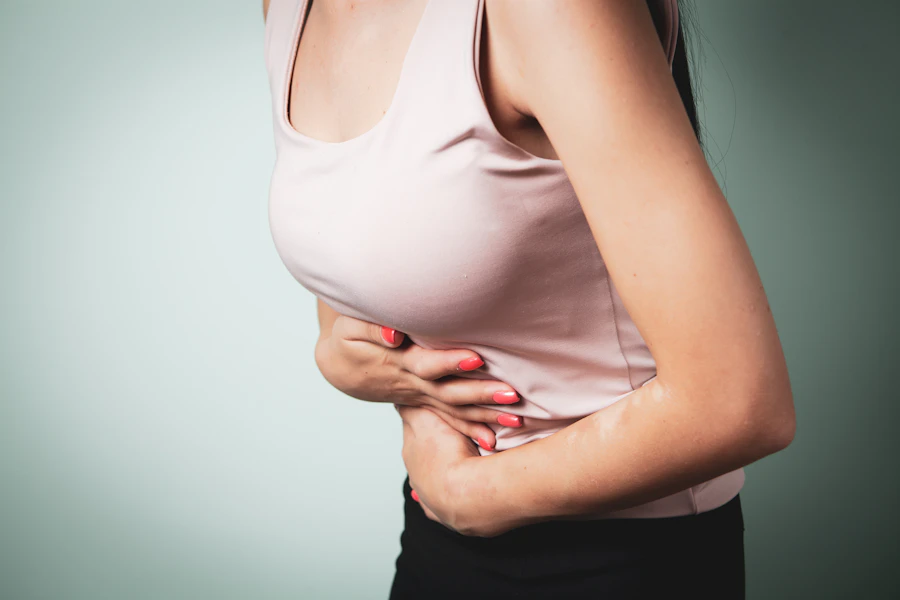
Cramping pain in the lower belly for the first day or two of a period is common, especially in younger women. It comes from substances called prostaglandins that make the womb contract.
Pain that is severe enough to keep you from school or work, pain that gets worse year after year, or pain during intercourse can point to conditions such as endometriosis, adenomyosis or fibroids (non-cancerous growths in the womb). These need an examination and often an ultrasound.
Home care that helps
- A hot water bottle or heat pad on the lower belly.
- Gentle movement - walking, stretching or yoga - rather than lying still all day.
- Ginger tea; some studies found ginger eased period pain in a similar way to common pain tablets.
- Regular meals with vegetables, dals, whole grains and fruit; less sugar and fried food.
- If you have PCOS and extra weight, losing even 5-10% of body weight can make cycles more regular.
- Track your cycle in a diary or app - it helps your doctor a great deal.
When to see a doctor
- No period for three months (and you are not pregnant).
- Bleeding that soaks a pad every hour for several hours, or clots larger than a coin.
- Bleeding between periods, after intercourse or after menopause.
- Severe pain, pain with fever, or pain that keeps getting worse.
- Trying for a baby for a year without success (six months if you are over 35).
How Hashmi Dawakhana can help
Women can talk privately to Dr. Hashmi (BUMS, BAMS, MD) at Hashmi Dawakhana, a Unani & Ayurvedic healthcare center in Amroha, or online. He asks about your cycle, symptoms and routine, suggests hormone or thyroid tests and an ultrasound when needed, and plans natural, herbal Unani or Ayurvedic care (PCOS ka unani ilaj, irregular periods ka ilaj) with diet and routine advice - alongside your gynaecologist’s treatment where you have one. The consultation is free and confidential.
Frequently asked questions
Is it normal for periods to be a few days late?
Yes. A cycle that is a few days early or late now and then is common. Take a pregnancy test if there is any chance of pregnancy, and see a doctor if periods stay irregular.
Can PCOS be managed without hormones?
Many women manage PCOS with diet, exercise and weight control, and with herbal treatment under a doctor. Some need medicines for periods, skin or fertility; the plan depends on your symptoms and goals.
Can stress make periods irregular?
Yes. Stress, poor sleep and sudden changes in weight or exercise can delay ovulation and make periods late or missed.
Which tests are done for irregular periods?
Common tests are a pregnancy test, thyroid tests, prolactin, other hormone tests and a pelvic ultrasound. Your doctor chooses them from your symptoms.
Can I consult a male doctor about periods?
Yes. Many women do, and you are welcome to bring a family member. At Hashmi Dawakhana the conversation is private and nothing is shared without your consent.