Rainy Season & Male Sexual Health: The Monsoon Habits Men Shouldn’t Ignore
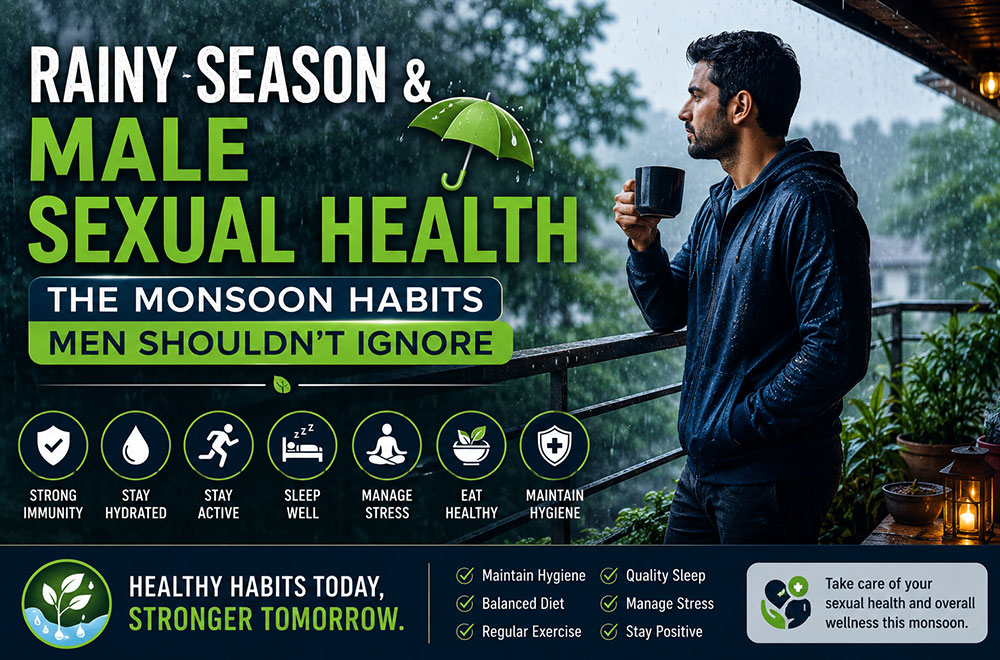
Rainy weather can feel refreshing after the heat, but the monsoon also brings higher humidity, damp clothing, changes in daily routines and more time spent indoors. These seemingly small changes can influence overall wellbeing, including intimate and sexual health.
Male sexual health is closely connected with general health. Sleep, physical activity, stress, hygiene, nutrition and emotional wellbeing can all play a role in how a man feels physically and sexually.
So, what should men pay attention to during the rainy season?
1. Don’t Let Humidity Affect Your Personal Hygiene
Warm, humid conditions can make the skin feel sweaty and uncomfortable. Spending long periods in damp underwear or wet clothes can increase irritation and discomfort around the intimate area.
Good hygiene is therefore especially important during monsoon.
Choose clean, breathable underwear and change out of wet clothes as soon as possible. Keep the intimate area clean and dry, and avoid using harsh or strongly fragranced products that may irritate sensitive skin.
2. Stay Physically Active
Rainy days can make it tempting to stay indoors and become less active. However, regular physical activity is an important part of maintaining overall health.
Walking, stretching, home workouts or other suitable forms of exercise can help support cardiovascular fitness, energy levels and stress management.
Since healthy sexual function is influenced by overall physical wellbeing, staying active can be a valuable part of a healthy lifestyle.
3. Pay Attention to Sleep
Changes in weather and routine can sometimes affect sleep schedules. Staying up late, excessive screen time and inconsistent sleep may leave you feeling tired during the day.
Adequate sleep supports energy, mood and general wellbeing. If you want to maintain good sexual wellness, healthy sleep habits should not be overlooked.
Try to maintain a regular bedtime and wake-up schedule, even during rainy days.
4. Don’t Ignore Stress
Work pressure, financial concerns, relationship problems and everyday anxiety can affect sexual wellbeing.
Stress can influence mood and sexual interest and may also make it more difficult to relax during intimate moments.
Simple habits such as regular exercise, adequate sleep, relaxation techniques, hobbies and open communication with your partner can help manage everyday stress.
5. Keep Your Diet Balanced
Monsoon often brings cravings for fried snacks, spicy foods and comfort meals. Enjoying these occasionally is fine, but your everyday diet should still provide a good balance of vegetables, fruits, whole grains, protein and healthy fats.
A nutritious diet supports overall health, energy and fitness—important foundations for sexual wellness.
6. Stay Hydrated Even When It’s Not Hot
People often associate dehydration with summer, but hydration remains important during every season.
Even when temperatures are lower, make sure you drink enough fluids according to your body's needs and activity level.
Water is generally the simplest choice. If you have a medical condition that affects fluid intake, follow your healthcare professional’s advice.
7. Give Your Body Time to Recover
Busy schedules, poor sleep and a lack of physical activity can leave you feeling exhausted.
Sexual wellness is not about constantly “performing.” It is also about feeling comfortable, healthy and energetic.
Give your body enough time to rest and recover, especially when your routine becomes irregular during the monsoon.
When Should Men Seek Professional Advice?
Occasional changes in sexual desire or performance are not necessarily a reason for concern. However, persistent erectile difficulties, significant changes in sexual desire, pain, unusual discharge, persistent itching, sores or other genital symptoms should not be ignored.
A qualified healthcare professional can help identify the possible cause and recommend appropriate care.
Final Thoughts
The monsoon can change more than just the weather. It can influence daily activity, hygiene, sleep, diet and stress levels—all of which are connected to overall wellbeing.
Instead of looking for a quick solution to sexual health concerns, focus on the basics: stay active, maintain good hygiene, eat well, sleep properly, manage stress and seek professional advice when something feels unusual or persistent.
Disclaimer: This article is intended for general educational purposes and does not replace diagnosis, treatment or personalized medical advice from a qualified healthcare professional.