Best Foods That Support Men's Health Naturally
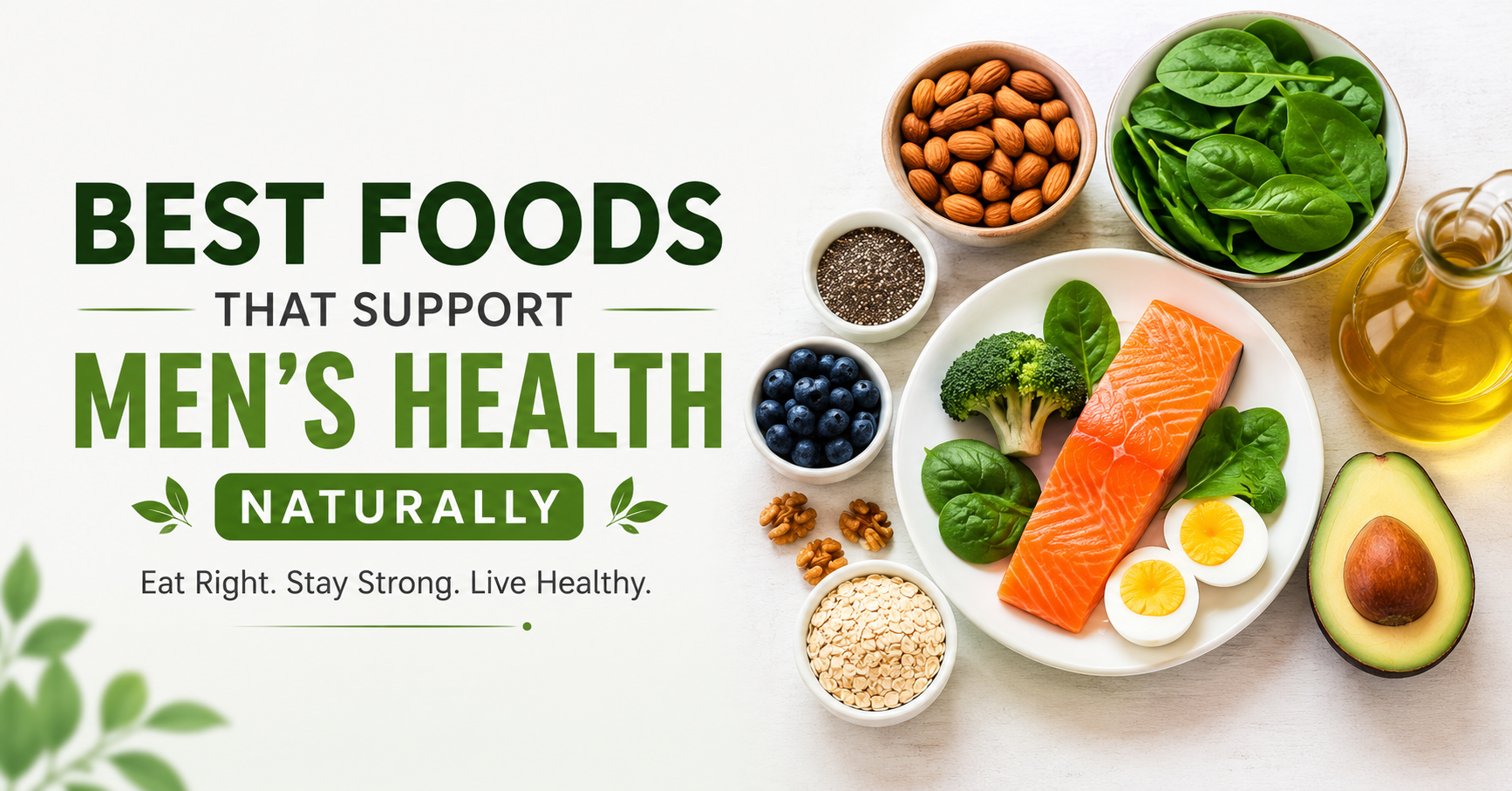
Good nutrition is one of the most important foundations of a healthy life. Every organ in the body depends on essential nutrients to function properly. For men, eating a balanced and nutrient-rich diet supports heart health, muscle growth, hormone balance, brain function, energy production, immunity, and overall well-being.
Modern lifestyles often include processed foods, sugary drinks, and irregular eating habits, which may increase the risk of obesity, diabetes, high blood pressure, and heart disease. Making healthier food choices can help reduce these risks and improve quality of life.
This guide explains some of the best foods that naturally support men's health and offers practical tips for maintaining a healthy lifestyle.
Why Nutrition Is Important for Men
Men require adequate amounts of protein, healthy fats, vitamins, minerals, and fiber to maintain normal body functions. A nutritious diet helps:
- Maintain healthy muscles
- Support heart health
- Improve energy levels
- Strengthen immunity
- Support healthy bones
- Improve digestive health
- Maintain healthy body weight
- Support healthy aging
A healthy diet works best when combined with regular exercise, sufficient sleep, and stress management.
1. Leafy Green Vegetables
Leafy greens such as spinach, kale, fenugreek leaves, and broccoli are rich in vitamins A, C, K, folate, iron, and antioxidants.
Benefits
- Supports heart health
- Improves immunity
- Helps maintain healthy blood circulation
- Supports bone health
- Rich in dietary fiber
Aim to include green vegetables in your meals at least once every day.
2. Fatty Fish
Fish such as salmon, sardines, tuna, and mackerel are rich sources of Omega-3 fatty acids.
Benefits
- Supports cardiovascular health
- Helps reduce inflammation
- Supports brain function
- Good source of high-quality protein
Eating fish two times per week is commonly recommended as part of a healthy diet.
3. Eggs
Eggs provide high-quality protein along with vitamins B12, D, choline, and healthy fats.
Benefits
- Supports muscle maintenance
- Helps keep you full longer
- Supports brain health
- Easy to prepare
4. Nuts and Seeds
Almonds, walnuts, pumpkin seeds, sunflower seeds, chia seeds, and flaxseeds provide healthy fats, magnesium, zinc, and fiber.
Benefits
- Healthy snack option
- Supports heart health
- Provides essential minerals
- Helps maintain healthy cholesterol levels
Consume a small handful daily as part of a balanced diet.
5. Fruits
Fresh fruits contain vitamins, antioxidants, natural fiber, and hydration.
Good choices include:
- Apples
- Oranges
- Bananas
- Blueberries
- Pomegranate
- Papaya
Benefits
- Supports immunity
- Helps digestion
- Provides natural energy
- Rich in antioxidants
6. Whole Grains
Whole grains provide complex carbohydrates and fiber.
Examples include:
- Brown rice
- Oats
- Whole wheat
- Millets
- Quinoa
Benefits
- Provides steady energy
- Supports digestive health
- Helps maintain healthy weight
- Supports heart health
7. Yogurt
Yogurt contains calcium, protein, and probiotics.
Benefits
- Supports gut health
- Helps digestion
- Supports bone strength
- Good source of protein
Choose plain yogurt with minimal added sugar.
8. Beans and Lentils
Beans, chickpeas, kidney beans, and lentils are excellent plant-based protein sources.
Benefits
- High in fiber
- Supports heart health
- Helps maintain blood sugar
- Budget-friendly source of protein
9. Healthy Hydration
Water is essential for every organ in the body.
Benefits include:
- Better digestion
- Healthy skin
- Improved concentration
- Temperature regulation
- Better physical performance
Most adults should drink adequate fluids throughout the day depending on climate and activity level.
Healthy Lifestyle Tips
Nutrition alone is not enough. For better overall health:
- Exercise for at least 30 minutes daily.
- Sleep 7–9 hours every night.
- Avoid smoking.
- Limit alcohol intake.
- Manage stress through meditation or yoga.
- Schedule regular health check-ups.
- Maintain a healthy body weight.
Common Mistakes to Avoid
- Skipping breakfast
- Eating excessive fast food
- Drinking sugary beverages regularly
- Not eating enough fruits and vegetables
- Consuming too much salt
- Sitting for long hours without movement
Frequently Asked Questions (FAQs)
Which fruit is best for men's health?
Berries, apples, oranges, bananas, and pomegranates are nutritious choices as part of a balanced diet.
How much protein do men need?
Protein needs vary based on age, body size, and activity level. A healthcare professional or dietitian can provide personalized recommendations.
Is drinking enough water important?
Yes. Proper hydration supports digestion, circulation, temperature regulation, and overall health.
Conclusion
A healthy diet is one of the best investments you can make for long-term wellness. Choosing nutrient-rich foods such as vegetables, fruits, whole grains, fish, eggs, nuts, yogurt, and legumes supports overall men's health naturally. Combined with regular exercise, quality sleep, and healthy lifestyle habits, good nutrition can help improve energy, maintain a healthy body, and reduce the risk of many chronic diseases.