How Stress and Anxiety Can Affect Sexual Health
Introduction
Sexual health is influenced by more than physical health. Mental and emotional well-being can also play an important role.
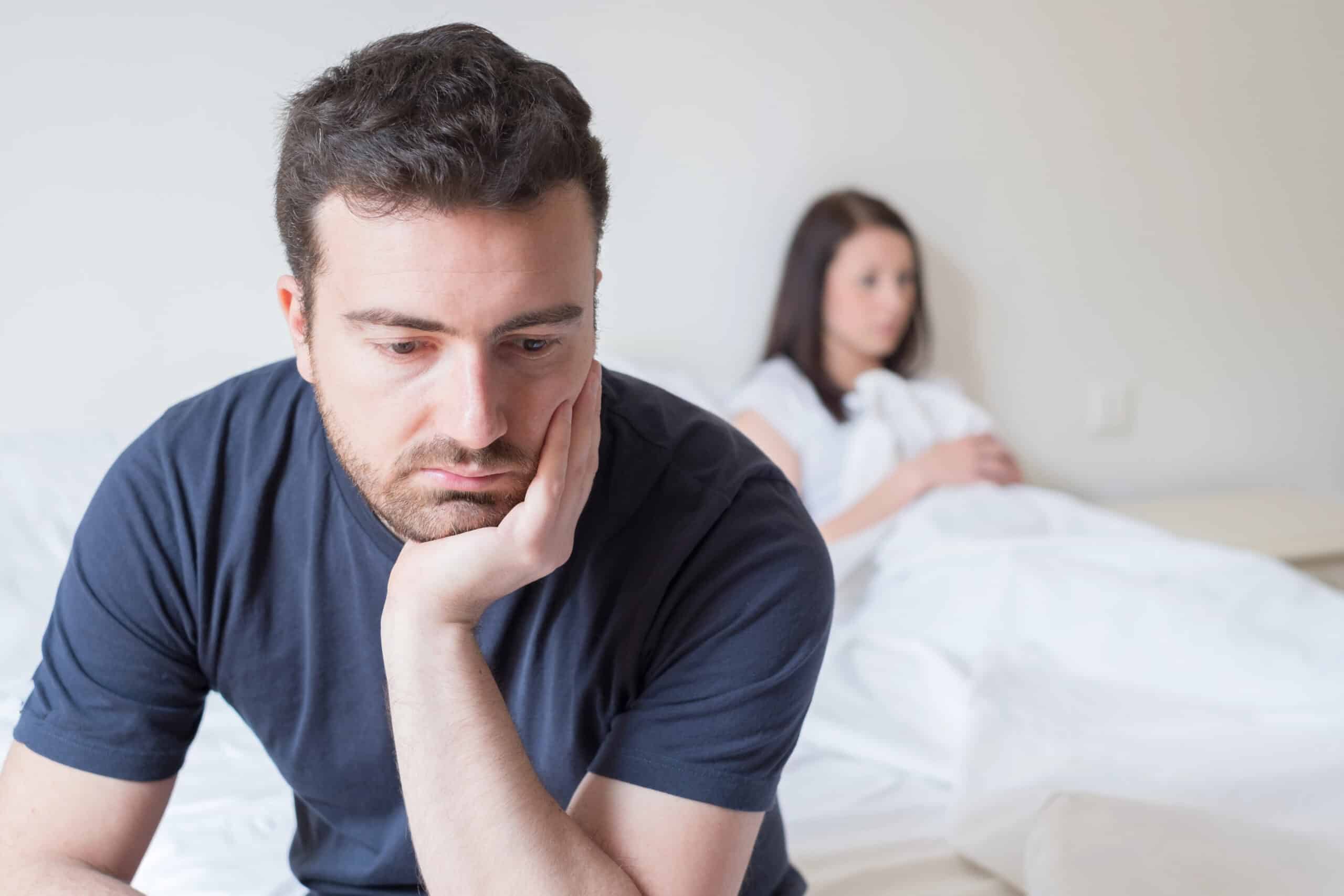
High levels of stress or anxiety may reduce sexual desire, make it difficult to relax, or contribute to sexual difficulties in both men and women.
Stress and Sexual Desire
When a person is under continuous stress, sexual desire may decrease. Work pressure, financial concerns, relationship problems, lack of sleep, and daily responsibilities can all contribute to mental fatigue.
Occasional changes in desire are normal, but persistent changes should be discussed with a healthcare professional if they cause concern.
Anxiety and Sexual Performance
Anxiety about sexual performance can create a cycle of worry. A person may become overly focused on whether they will perform well, which can make relaxation more difficult.
Open communication with a partner and reducing performance pressure may help.
The Importance of Sleep
Poor sleep can affect energy, mood, concentration, and general well-being. Maintaining a consistent sleep routine can support both physical and emotional health.
Most adults benefit from approximately 7–9 hours of sleep each night.
Healthy Ways to Manage Stress
Consider adding simple stress-management habits to your routine:
- Regular walking or exercise
- Deep breathing or relaxation exercises
- Adequate sleep
- Spending time with family or friends
- Taking breaks from work
- Limiting excessive screen time
- Practicing hobbies and enjoyable activities
When to Seek Professional Help
If stress, anxiety, low mood, or sexual difficulties continue for several weeks or significantly affect your life or relationship, consider speaking with a qualified healthcare professional or mental health professional.
Conclusion
Mental and physical health are closely connected with sexual wellness. Managing stress, getting enough sleep, staying active, and maintaining healthy communication can support overall well-being and may help reduce some stress-related sexual difficulties.