Joint Pain: Common Causes and Simple Ways to Support Joint Health
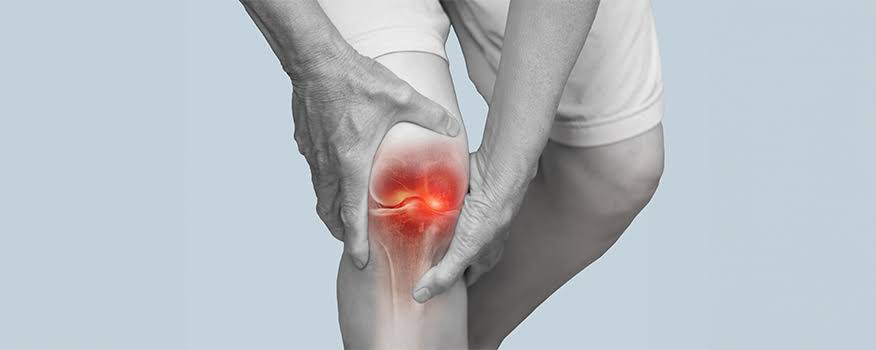
Joint pain is a common health concern that can affect people of different ages. It may occur in the knees, shoulders, hips, elbows, wrists, or other joints. Sometimes joint pain is temporary and may improve with rest, while persistent or recurring pain may require medical evaluation.
Understanding possible causes and taking care of your joints through healthy daily habits can help support better mobility and overall well-being.
What Can Cause Joint Pain?
Joint pain can have many possible causes. It may be related to an injury, overuse, muscle strain, inflammation, age-related changes, or certain medical conditions.
Activities that put repeated stress on a particular joint may also contribute to discomfort. The exact cause can vary from person to person, so persistent pain should not be ignored.
Maintain a Healthy Weight
Maintaining a healthy weight can help reduce unnecessary stress on weight-bearing joints, particularly the knees and hips.
A balanced diet combined with regular physical activity can support healthy weight management and overall fitness.
Stay Physically Active
Regular, appropriate movement can help maintain flexibility and muscle strength. Walking, gentle stretching, swimming, and other low-impact activities may be suitable for many people.
If a particular activity makes your pain worse, reduce the intensity and consider discussing your symptoms with a healthcare professional.
Maintain Good Posture
Poor posture and incorrect body mechanics may place additional stress on certain muscles and joints. Try to maintain a comfortable posture while sitting, standing, working, and lifting objects.
If your work involves sitting for long periods, taking regular movement breaks can be helpful.
Give Your Body Enough Rest
Rest can be important when joint pain is related to overuse or physical activity. Avoid repeatedly putting excessive strain on a painful joint.
However, prolonged inactivity may also lead to stiffness, so gentle movement within your comfort level may be useful unless a healthcare professional has advised otherwise.
When Should You Seek Medical Advice?
Joint pain that is severe, persistent, worsening, or associated with significant swelling, redness, fever, weakness, or difficulty moving should be evaluated by a healthcare professional.
After an injury, sudden severe pain or inability to use the affected joint may require prompt medical attention.
Final Thoughts
Taking care of joint health involves maintaining a healthy weight, staying appropriately active, using good posture, getting adequate rest, and paying attention to persistent symptoms.
If joint pain continues or affects your daily activities, professional medical advice can help determine the possible cause and appropriate treatment.