Leucorrhoea: Understanding Vaginal Health and White Discharge
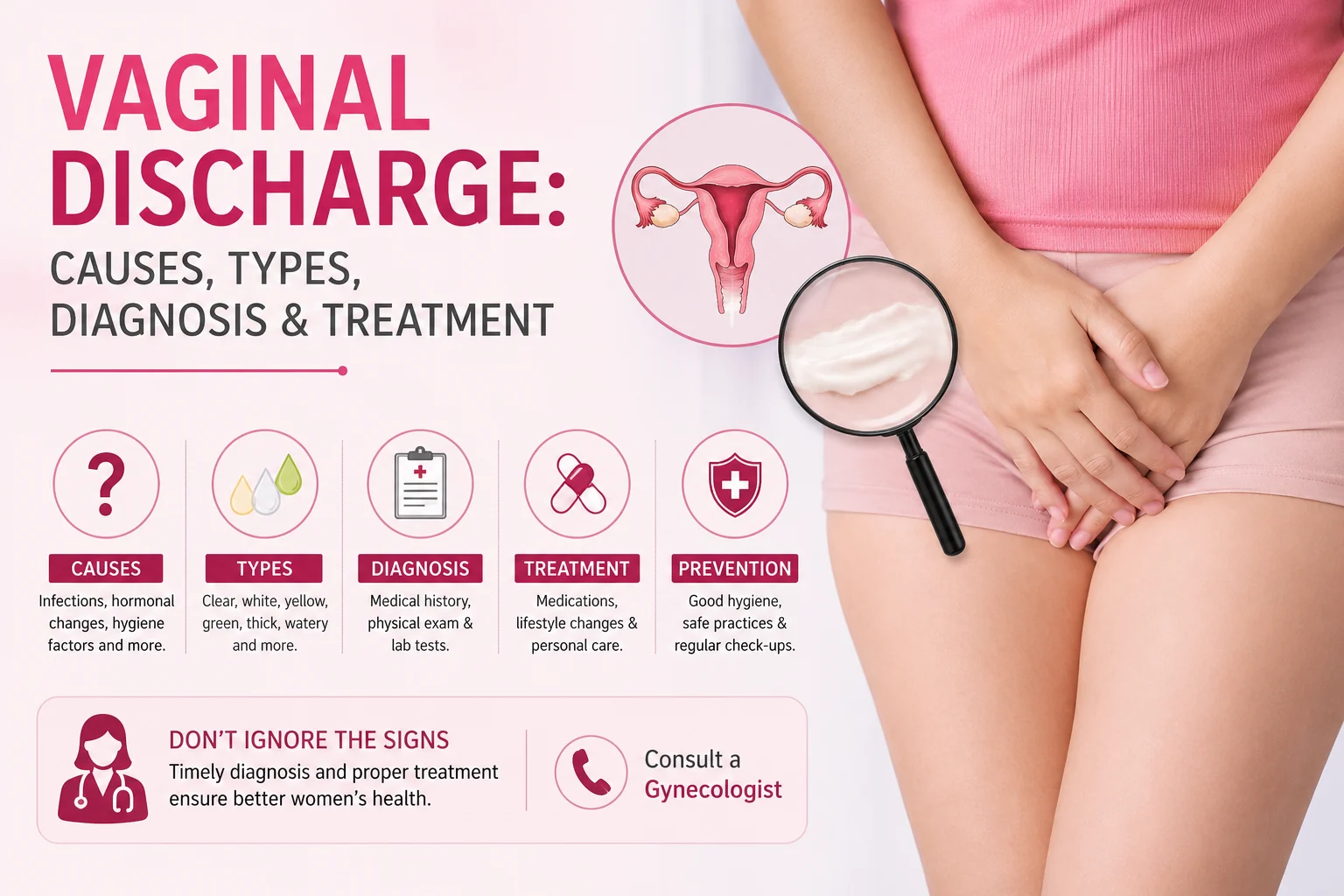
Leucorrhoea, commonly known as white discharge, is a condition in which women experience a whitish or yellowish vaginal discharge. In many cases, vaginal discharge is a normal part of the body's natural cleansing process. However, excessive discharge accompanied by itching, irritation, foul odor, or discomfort may indicate an underlying health issue.
What is Leucorrhoea?
Leucorrhoea refers to a white or yellowish discharge from the vagina. Normal vaginal discharge helps maintain vaginal cleanliness and protects against infections. The amount and consistency of discharge may vary due to hormonal changes, menstrual cycles, pregnancy, or ovulation.
Causes of Leucorrhoea
Several factors can contribute to excessive white discharge, including:
1. Hormonal Changes
Hormonal fluctuations during puberty, menstruation, pregnancy, or menopause can increase vaginal discharge.
2. Vaginal Infections
Bacterial, fungal, or yeast infections may cause abnormal discharge accompanied by itching and irritation.
3. Poor Intimate Hygiene
Improper hygiene practices can increase the risk of infections and abnormal discharge.
4. Stress and Weak Immunity
Chronic stress and a weakened immune system may make women more susceptible to infections.
5. Sexually Transmitted Infections (STIs)
Certain sexually transmitted infections may lead to abnormal vaginal discharge and require prompt medical attention.
Common Symptoms
Women experiencing abnormal leucorrhoea may notice:
- Excessive white or yellow discharge
- Unpleasant vaginal odor
- Itching or irritation
- Burning sensation during urination
- Pelvic discomfort
- Weakness or fatigue in some cases
Prevention Tips
To maintain vaginal health and reduce the risk of infections:
- Maintain proper intimate hygiene
- Wear clean and breathable cotton underwear
- Avoid excessive use of scented feminine products
- Drink plenty of water
- Eat a balanced diet rich in fruits and vegetables
- Practice safe sexual habits
Treatment Options
Treatment depends on the underlying cause. Mild physiological discharge may not require treatment, while infections may need medical evaluation and appropriate medication. Consulting a qualified healthcare professional is recommended if symptoms persist or worsen.
When to See a Doctor
Seek medical advice if you experience:
- Foul-smelling discharge
- Green, gray, or blood-stained discharge
- Severe itching or burning
- Pelvic pain
- Fever along with vaginal symptoms
Conclusion
Leucorrhoea is a common condition that can be either a normal physiological process or a sign of an underlying infection. Understanding its causes, symptoms, and preventive measures can help women maintain better reproductive health. If symptoms are persistent or concerning, professional medical consultation is advised for proper diagnosis and treatment.