Low Libido in Men: Causes, Symptoms, and Effective Ways to Improve Sexual Desire
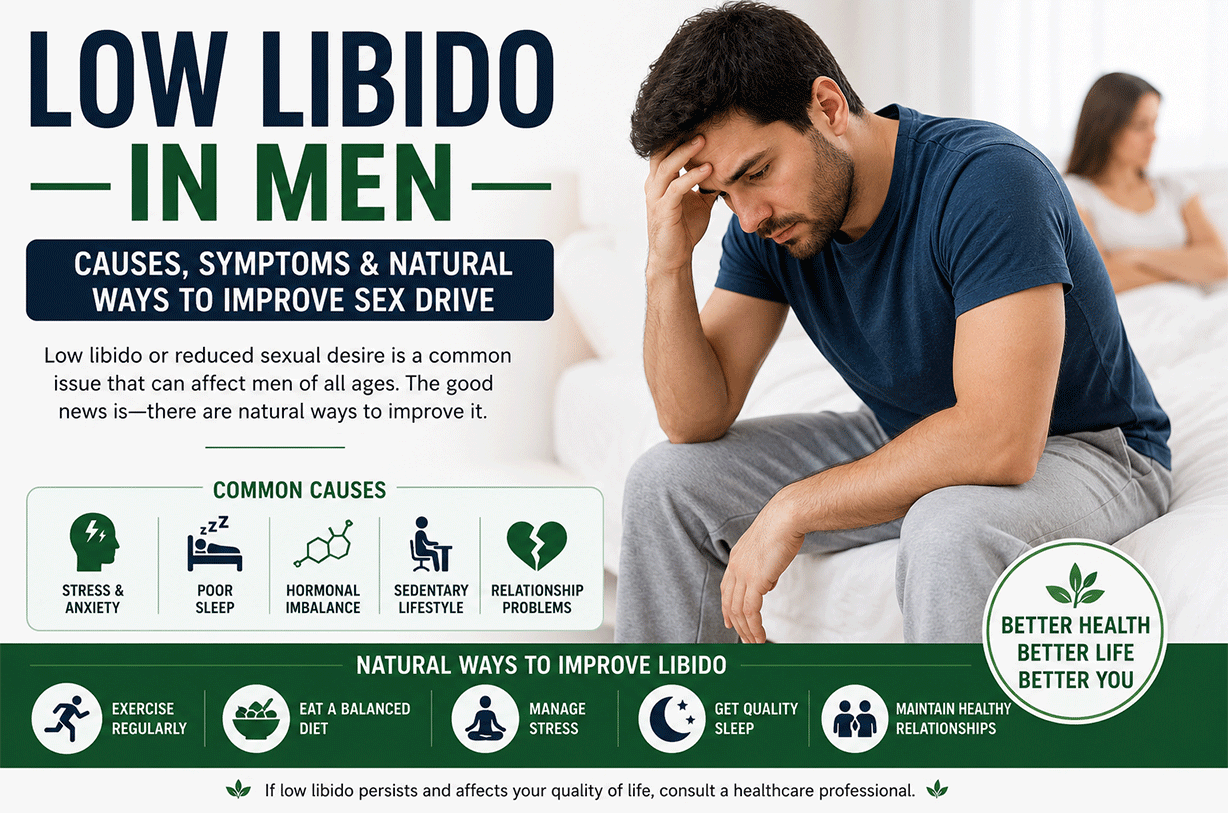
Low libido, commonly referred to as a reduced sex drive, is a condition that affects many men at different stages of life. While occasional fluctuations in sexual desire are normal, a persistent lack of interest in sexual activity may indicate underlying physical, psychological, or lifestyle-related factors.
Understanding the causes of low libido can help men take appropriate steps toward improving their sexual health and overall well-being.
What Is Low Libido?
Low libido refers to a decreased interest in sexual activity. The level of sexual desire varies from person to person, but when a noticeable decline begins to affect relationships, confidence, or emotional health, it may be worth investigating the cause.
Common Causes of Low Libido
1. Stress and Anxiety
Mental stress, work pressure, financial concerns, and relationship issues can significantly impact sexual desire. When the mind is under constant stress, the body's natural sexual response may decline.
2. Hormonal Changes
Hormones play an important role in regulating libido. Lower testosterone levels can contribute to a decrease in sexual desire in some men.
3. Poor Sleep Habits
Lack of quality sleep can affect hormone production, energy levels, and overall health, leading to reduced sexual interest.
4. Unhealthy Lifestyle
Smoking, excessive alcohol consumption, lack of physical activity, and poor dietary habits may negatively influence sexual wellness.
5. Certain Medical Conditions
Conditions such as diabetes, obesity, cardiovascular disease, and other chronic health issues may affect sexual function and desire.
Symptoms of Low Libido
Some common signs may include:
- Reduced interest in sexual activity
- Fewer sexual thoughts or fantasies
- Lack of enthusiasm for intimacy
- Relationship difficulties related to sexual desire
- Decreased confidence or emotional distress
Ways to Improve Low Libido
Exercise Regularly
Physical activity improves blood circulation, supports hormone balance, and enhances overall energy levels.
Manage Stress
Relaxation techniques such as meditation, deep breathing exercises, and spending quality time with loved ones may help reduce stress.
Improve Sleep Quality
Aim for 7–8 hours of quality sleep each night to support healthy hormone production and recovery.
Maintain a Balanced Diet
Eating nutrient-rich foods can support overall health and contribute to better physical and emotional well-being.
Seek Professional Advice
If low libido persists or affects daily life and relationships, consulting a qualified healthcare professional can help identify potential causes and appropriate treatment options.
When to Seek Help
A temporary decrease in sexual desire is often normal. However, if low libido continues for an extended period or significantly impacts quality of life, a professional evaluation may be beneficial.
Conclusion
Low libido can result from a variety of factors, including stress, lifestyle habits, hormonal changes, and underlying health conditions. Understanding the cause is the first step toward improvement. With healthy lifestyle choices, stress management, and proper guidance, many men can successfully improve their sexual well-being and overall quality of life.