Male Sexual Weakness: Common Factors and Healthy Lifestyle Tips
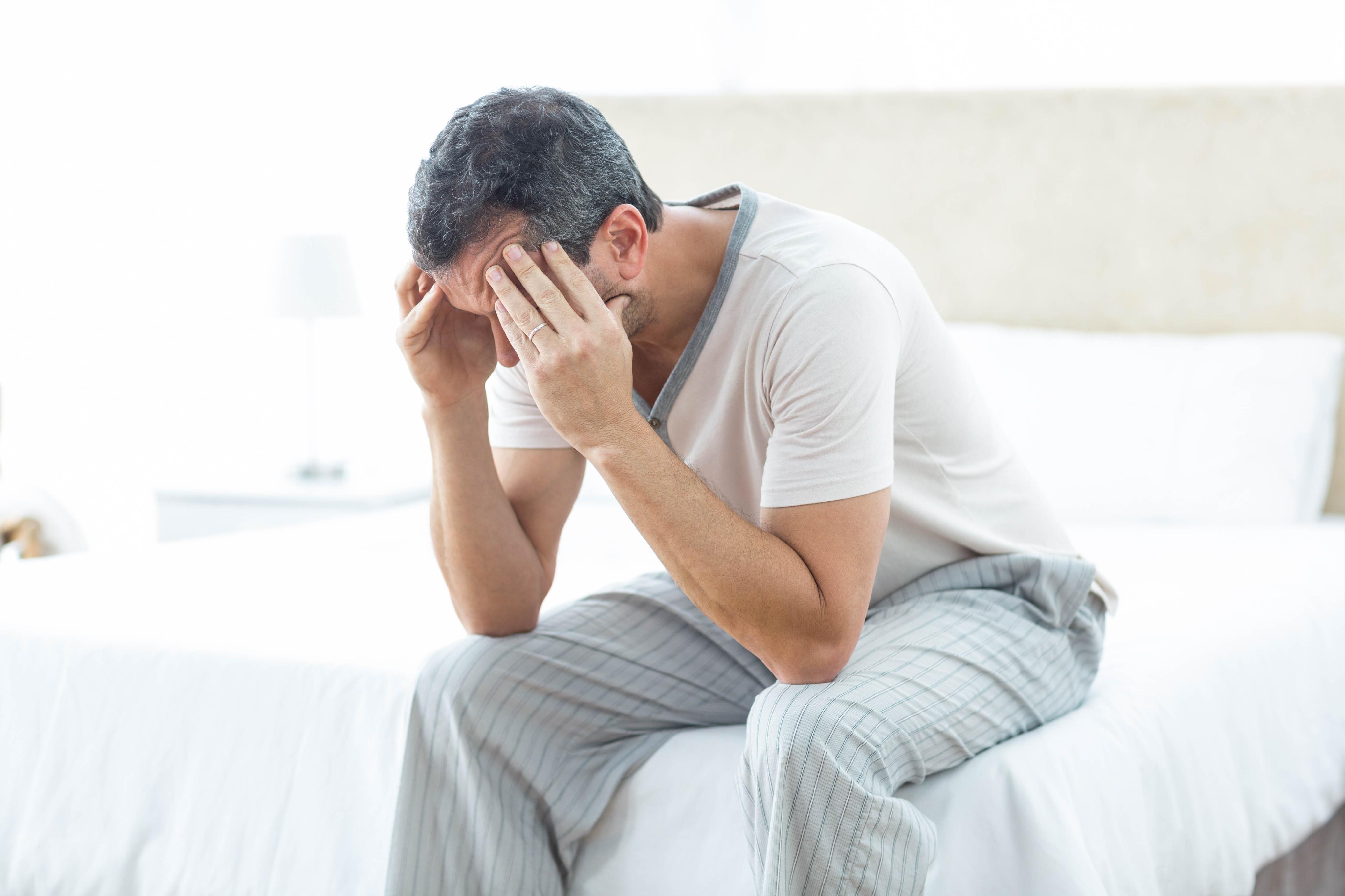
The term "sexual weakness" is often used to describe different concerns, such as erection difficulties, low sexual desire, ejaculation problems, or reduced sexual confidence.
Because these concerns can have different causes, identifying the specific problem is an important first step.
1. Understand the Specific Problem
Sexual difficulties can include:
- Difficulty getting an erection
- Difficulty maintaining an erection
- Low sexual desire
- Premature ejaculation
- Pain during sexual activity
- Concerns about sexual performance
Each problem may have different contributing factors and treatment approaches.
2. Maintain a Healthy Lifestyle
Regular exercise, balanced nutrition, adequate sleep, and maintaining a healthy weight can support overall health and sexual wellness.
3. Manage Stress
Stress and anxiety can affect sexual confidence and overall well-being. Regular physical activity, relaxation exercises, meditation, hobbies, and adequate rest can help manage everyday stress.
4. Avoid Smoking and Excessive Alcohol
Smoking and tobacco can negatively affect cardiovascular health and overall wellness. Excessive alcohol consumption can also contribute to health problems and may affect sexual function.
5. Review Your Medications With a Professional
Some medicines can have sexual side effects. If you suspect a medication is affecting your sexual health, speak with your doctor before making any changes.
6. Take Persistent Symptoms Seriously
Persistent sexual problems can sometimes be associated with conditions such as diabetes, cardiovascular disease, hormonal problems, or other health concerns.
For this reason, repeatedly using unverified sexual medicines without identifying the underlying cause may not be appropriate.
7. Communicate With Your Partner
Sexual wellness is also connected with emotional well-being and relationships. Honest and respectful communication can reduce misunderstandings and performance pressure.
When to Consult a Healthcare Professional
Seek professional advice if sexual difficulties continue, suddenly appear, cause significant distress, or occur along with other symptoms such as pain, urinary problems, unusual discharge, or changes in general health.
Conclusion
Male sexual health problems can have physical, psychological, lifestyle, medication-related, or relationship-related factors. A healthy lifestyle can support overall wellness, while persistent problems deserve proper professional evaluation rather than self-treatment.