Masturbation Myths: 7 Facts Every Adult Should Know
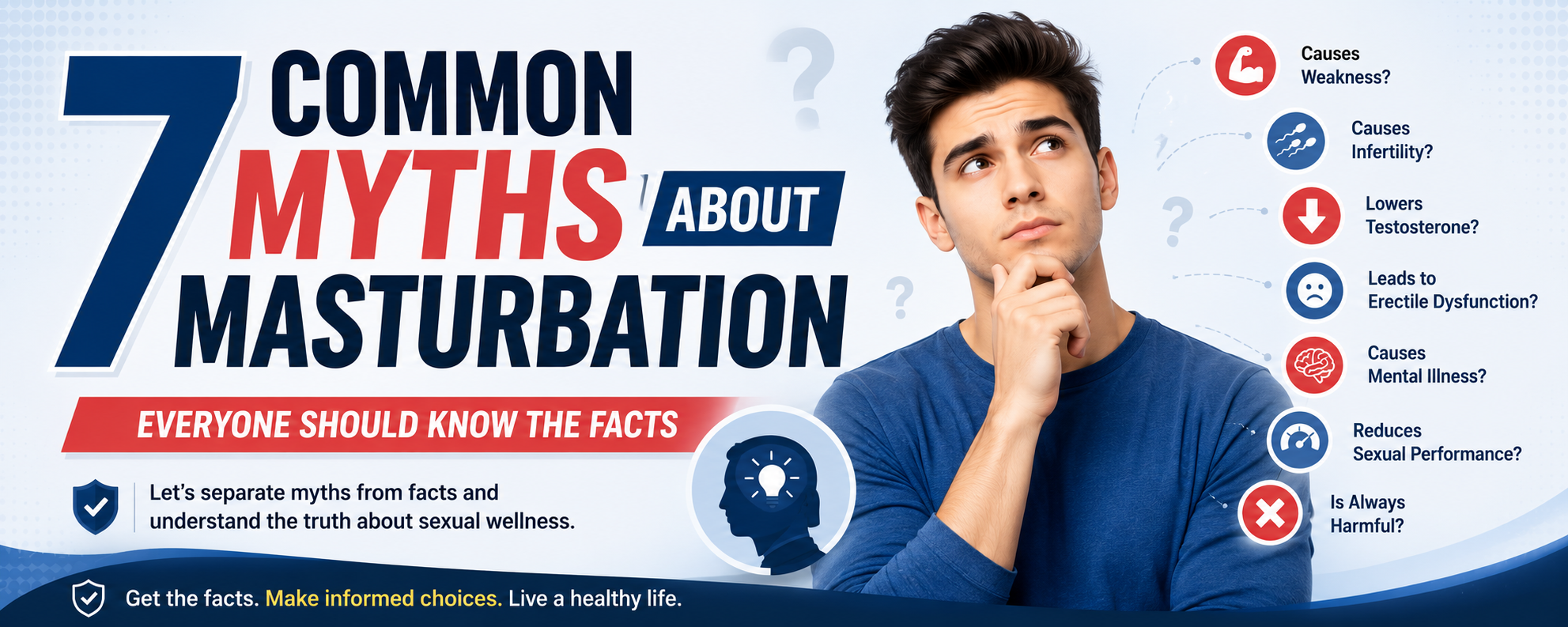
Masturbation is a natural behavior that has been surrounded by myths and misinformation for generations. Many people grow up hearing claims that are not supported by medical evidence. Understanding the facts can help people make informed decisions about their sexual health.
Myth 1: Masturbation Always Causes Weakness
Many people believe that masturbation automatically leads to physical weakness or loss of energy. There is no strong scientific evidence that occasional masturbation causes long-term physical weakness in healthy individuals. However, if it becomes excessive and interferes with daily life, sleep, or responsibilities, it may contribute to fatigue.
Myth 2: It Causes Infertility
A common misconception is that masturbation permanently reduces fertility. In healthy individuals, masturbation does not cause infertility. Fertility depends on many factors, including overall reproductive health, hormones, and underlying medical conditions.
Myth 3: Masturbation Always Lowers Testosterone
Temporary hormone fluctuations are normal, but there is no convincing evidence that normal masturbation permanently lowers testosterone levels.
Myth 4: It Leads to Erectile Dysfunction
Masturbation itself does not generally cause erectile dysfunction. If someone experiences persistent difficulty achieving or maintaining an erection, it is important to consider other physical or psychological causes and seek medical evaluation.
Myth 5: It Is Harmful if Done Occasionally
For many adults, occasional masturbation is considered a normal sexual behavior. It generally does not cause health problems when practiced safely and in moderation.
Myth 6: It Causes Mental Illness
There is no evidence that masturbation directly causes depression, anxiety, or other mental illnesses. Feelings of guilt often arise from cultural or personal beliefs rather than from masturbation itself.
Myth 7: It Reduces Sexual Performance
Occasional masturbation does not necessarily reduce sexual performance. However, if it becomes compulsive or affects relationships or daily functioning, professional guidance may be beneficial.
Healthy Sexual Wellness Tips
- Maintain a balanced lifestyle.
- Exercise regularly.
- Get adequate sleep.
- Eat a nutritious diet.
- Manage stress effectively.
- Seek reliable medical advice instead of believing common myths.
When Should You Consult a Doctor?
Consider speaking with a qualified healthcare professional if:
- Sexual behavior feels difficult to control.
- Masturbation causes physical pain or injury.
- You have persistent erectile problems.
- You experience emotional distress related to sexual behavior.
Conclusion
Many beliefs about masturbation are based on myths rather than scientific evidence. Understanding the facts can reduce unnecessary fear and encourage healthier attitudes toward sexual wellness. If you have concerns about your sexual health, consult a qualified healthcare professional for personalized advice.