Natural Solutions for Frequent Urination: Causes and Home Remedies
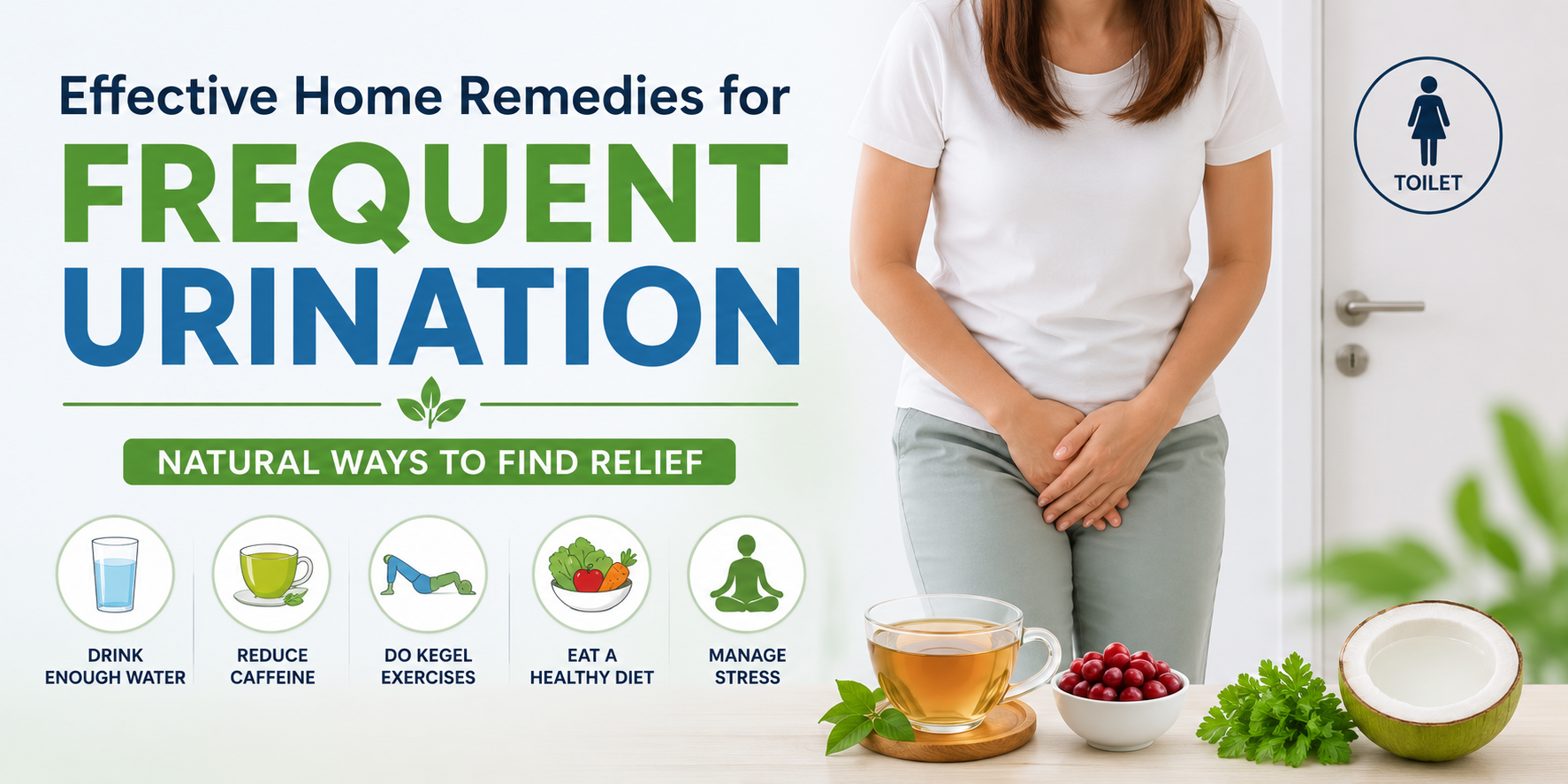
Frequent urination means needing to urinate more often than usual. While it can sometimes result from increased fluid intake, it may also be linked to urinary tract infections, diabetes, overactive bladder, pregnancy, or certain medications. Mild cases may improve with healthy lifestyle habits, but persistent symptoms should be evaluated by a healthcare professional.
Common Causes of Frequent Urination
Several factors may contribute to urinary frequency, including:
- Drinking excessive fluids.
- Caffeine and alcohol consumption.
- Urinary tract infections (UTIs).
- Diabetes.
- Overactive bladder.
- Pregnancy.
- Enlarged prostate (in men).
- Certain medications, such as diuretics.
Simple Home Remedies
1. Stay Properly Hydrated
Drink enough water throughout the day, but avoid excessive fluid intake, especially close to bedtime.
2. Reduce Caffeine
Coffee, tea, energy drinks, and some soft drinks can irritate the bladder and increase the urge to urinate.
3. Limit Alcohol
Alcohol can increase urine production and may worsen urinary frequency.
4. Practice Bladder Training
Gradually increase the time between bathroom visits to help improve bladder control. This technique is often recommended under the guidance of a healthcare professional.
5. Perform Pelvic Floor (Kegel) Exercises
Strengthening the pelvic floor muscles may improve bladder control for some people.
6. Eat a Balanced Diet
Maintain a healthy diet rich in fruits, vegetables, whole grains, and lean protein. Avoid foods that seem to irritate your bladder if you notice a pattern.
7. Maintain a Healthy Weight
Excess body weight can put additional pressure on the bladder.
Prevention Tips
- Avoid excessive caffeine and alcohol.
- Stay physically active.
- Manage blood sugar if you have diabetes.
- Practice good personal hygiene.
- Empty your bladder completely when urinating.
- Do not delay urination for long periods.
When to See a Doctor
Consult a healthcare professional immediately if frequent urination is accompanied by:
- Blood in the urine.
- Fever or chills.
- Severe pain or burning during urination.
- Persistent symptoms lasting several days.
- Excessive thirst and unexplained weight loss.
- Difficulty urinating or urinary retention.
Conclusion
Simple lifestyle changes may help reduce frequent urination in some cases, but they are not a substitute for medical care when symptoms persist or are accompanied by warning signs. Early diagnosis and treatment of underlying conditions are important for maintaining good urinary health.