Natural Tips to Reduce Joint Pain and Improve Mobility
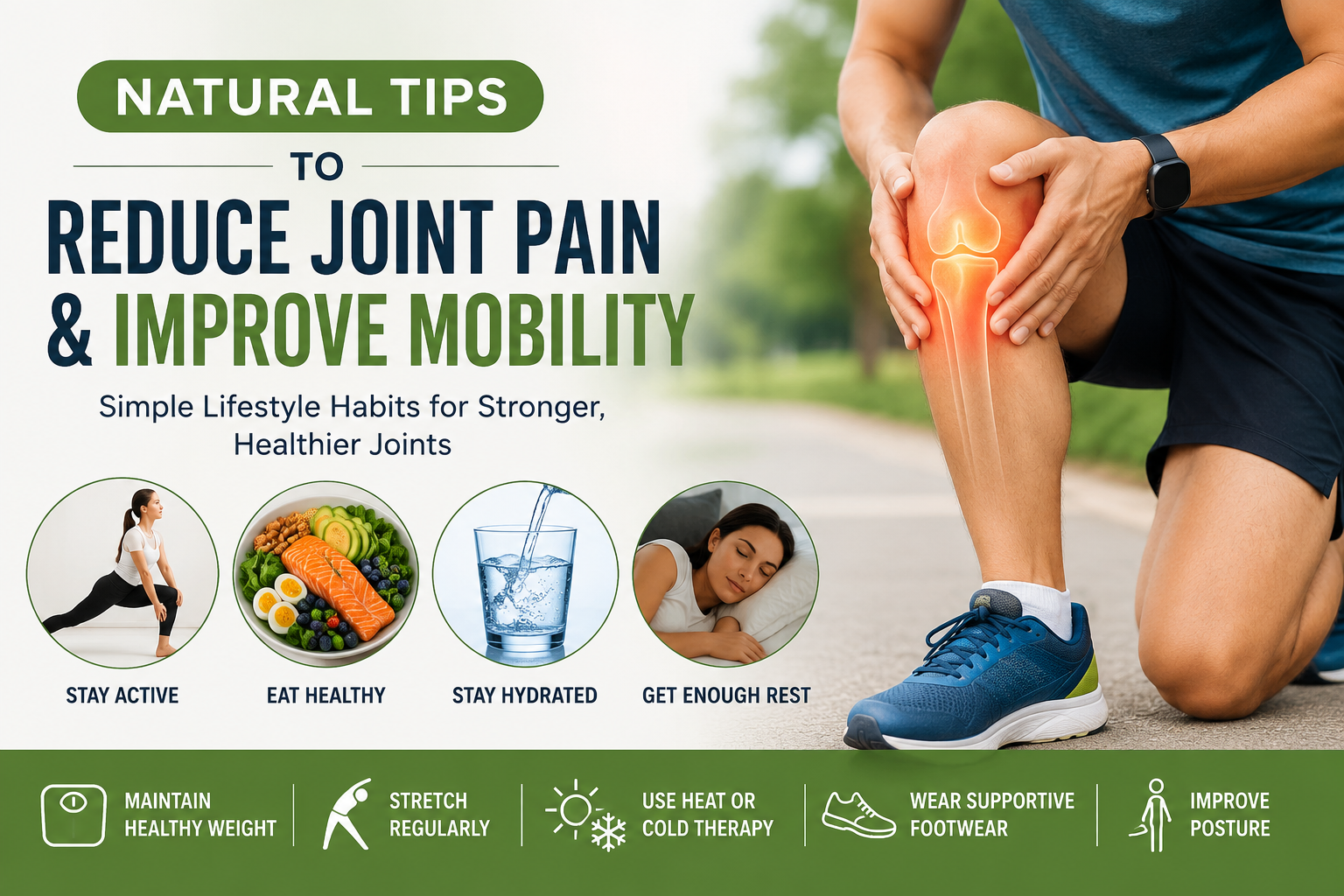
Joint pain and stiffness can make daily activities such as walking, climbing stairs, bending, and exercising difficult. Many people experience joint discomfort due to aging, injury, arthritis, excess weight, or repetitive strain. Along with medical advice when needed, healthy lifestyle habits may help support joint health and improve mobility.
Understanding Joint Health
Joints connect bones and allow the body to move smoothly. They are supported by cartilage, ligaments, tendons, and surrounding muscles. When these structures become irritated, inflamed, or weakened, joint pain and stiffness may occur.
Common causes of joint discomfort include:
- Osteoarthritis
- Rheumatoid arthritis
- Previous joint injuries
- Excess body weight
- Repetitive strain
- Age-related wear and tear
Natural Tips to Reduce Joint Pain
1. Stay Physically Active
Regular exercise helps strengthen the muscles around the joints, improve flexibility, and support better circulation. Low-impact activities such as walking, swimming, cycling, and yoga are often beneficial for people with joint discomfort.
2. Maintain a Healthy Weight
Excess body weight places additional pressure on weight-bearing joints such as the knees, hips, and lower back. Maintaining a healthy weight can help reduce strain and improve mobility.
3. Eat an Anti-Inflammatory Diet
A balanced diet rich in fruits, vegetables, whole grains, nuts, seeds, and fatty fish may help support joint health. Foods containing omega-3 fatty acids, antioxidants, and vitamin C are commonly included in healthy dietary patterns.
4. Stay Hydrated
Water supports overall body function and helps maintain joint lubrication. Drinking adequate fluids throughout the day is an important part of joint care.
5. Perform Gentle Stretching
Daily stretching can improve flexibility and reduce stiffness. Focus on slow, controlled stretches for major muscle groups and joints, especially after warming up.
6. Apply Heat or Cold Therapy
- Heat therapy may help relax stiff muscles and improve blood flow.
- Cold therapy may help reduce swelling and numb temporary pain after activity or injury.
Use a warm compress or ice pack for short periods as appropriate.
7. Strengthen Supporting Muscles
Strong muscles help stabilize and protect the joints. Exercises that target the quadriceps, hamstrings, core, and hip muscles may be particularly helpful for knee and hip support.
8. Practice Good Posture
Poor posture can place unnecessary stress on joints in the neck, back, hips, and knees. Maintaining proper alignment while sitting, standing, and lifting objects can help reduce strain.
9. Get Enough Rest and Sleep
Rest allows the body to recover and repair tissues. Adequate sleep also supports overall health and may help reduce the perception of pain.
10. Avoid Smoking and Excessive Alcohol
Smoking may negatively affect circulation and tissue health, while excessive alcohol consumption can interfere with overall wellness. Avoiding these habits supports better musculoskeletal health.
Additional Joint-Friendly Habits
- Use supportive footwear.
- Warm up before exercise.
- Avoid repetitive movements when possible.
- Take breaks during long periods of sitting or standing.
- Include calcium and vitamin D in your diet as recommended by a healthcare professional.
Common Signs of Joint Problems
- Joint pain or tenderness
- Stiffness, especially in the morning
- Swelling around the joints
- Reduced range of motion
- Cracking or popping sounds with movement
When to Consult a Healthcare Professional
Seek medical advice if you experience:
- Persistent or worsening joint pain
- Significant swelling, redness, or warmth around a joint
- Difficulty performing daily activities
- Joint pain following an injury
- Symptoms that do not improve with rest and lifestyle changes
Conclusion
Reducing joint pain naturally and improving mobility often requires a combination of regular exercise, healthy nutrition, weight management, hydration, and proper rest. These habits can support joint function and overall quality of life. If joint symptoms persist or become severe, consult a qualified healthcare professional for proper evaluation and treatment guidance.