Natural Ways to Improve Sperm Health: Tips for Better Male Fertility
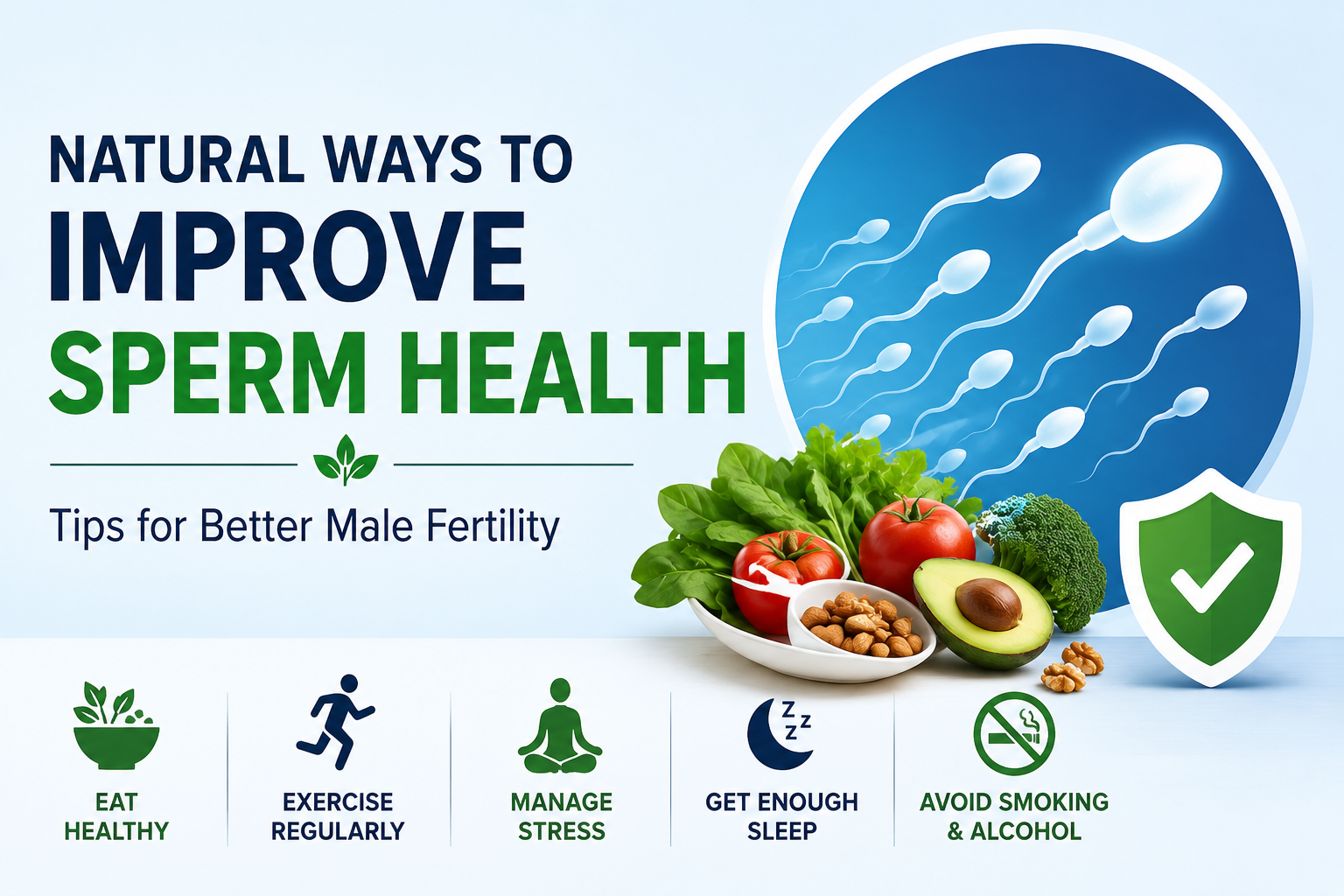
Healthy sperm are important for male fertility and reproductive health. Sperm quality depends on several factors, including sperm count, motility (movement), and morphology (shape). While some medical conditions require professional treatment, adopting healthy lifestyle habits may help support overall sperm health.
What Is Sperm Health?
Sperm health refers to the quality and function of sperm cells. Doctors typically evaluate sperm based on:
- Sperm count
- Sperm motility (movement)
- Sperm morphology (shape)
- Semen volume
These factors together influence the chances of successful conception.
1. Eat a Balanced Diet
A nutritious diet rich in fruits, vegetables, whole grains, lean proteins, nuts, and healthy fats provides essential vitamins and minerals that support overall reproductive health.
Foods rich in antioxidants, zinc, selenium, folate, and omega-3 fatty acids are commonly included in healthy dietary patterns.
2. Exercise Regularly
Moderate physical activity supports cardiovascular health, weight management, and hormone balance. Aim for at least 150 minutes of moderate exercise each week.
3. Maintain a Healthy Weight
Being overweight or obese may affect hormone levels and fertility. Maintaining a healthy body weight supports overall reproductive wellness.
4. Get Enough Sleep
Adults should aim for 7–9 hours of quality sleep each night. Poor sleep may affect hormone regulation and overall health.
5. Manage Stress
Long-term stress may influence hormone balance and overall well-being. Relaxation techniques such as meditation, yoga, and deep breathing may be beneficial.
6. Avoid Smoking and Limit Alcohol
Smoking is associated with reduced sperm quality. Excessive alcohol consumption may also negatively affect reproductive health. Quitting smoking and drinking alcohol in moderation supports overall wellness.
7. Stay Hydrated
Drinking enough water supports general health and helps maintain normal body functions.
8. Avoid Excessive Heat Exposure
Prolonged exposure to high temperatures around the groin area, such as frequent hot tubs or saunas, may temporarily affect sperm production in some men.
9. Schedule Regular Medical Check-ups
Conditions such as diabetes, infections, hormonal disorders, or varicocele may affect fertility. Early diagnosis and treatment are important.
10. Avoid Anabolic Steroids and Recreational Drugs
These substances may reduce sperm production and affect reproductive health.
Common Nutrients That Support Reproductive Health
- Zinc
- Selenium
- Vitamin C
- Vitamin D
- Vitamin E
- Folate
- Omega-3 fatty acids
These nutrients are best obtained through a balanced diet unless a healthcare professional recommends supplementation.
When Should You See a Doctor?
Consult a healthcare professional if:
- You and your partner have been trying to conceive for 12 months (or 6 months if the female partner is over 35) without success.
- You have persistent testicular pain or swelling.
- You notice significant changes in sexual function.
- You have a history of reproductive disorders.
Conclusion
Healthy lifestyle habits can support sperm health and overall reproductive wellness. Eating a balanced diet, exercising regularly, managing stress, getting enough sleep, and avoiding tobacco are practical steps that may contribute to better fertility. If fertility concerns persist, seek evaluation from a qualified healthcare professional.