PCOS and Women's Hormonal Health: Symptoms, Causes and Care
Introduction
Women's hormonal health plays an important role in menstruation, reproductive health, skin, hair, and overall well-being. One condition that can affect these areas is polycystic ovary syndrome, commonly known as PCOS.
PCOS is a hormonal and metabolic condition that affects women during their reproductive years. Symptoms can vary from person to person, and appropriate medical evaluation can help women understand and manage the condition.
1. What Is PCOS?
PCOS is associated with hormonal changes that may affect ovulation and menstrual cycles. Some women with PCOS also experience insulin resistance, which can influence blood sugar regulation.
Despite its name, not every woman with PCOS has visible ovarian cysts. A healthcare professional uses symptoms, medical history, examination, and appropriate tests to assess the condition.
2. Common Symptoms of PCOS
Symptoms may include:
- Irregular or missed menstrual periods
- Acne or oily skin
- Increased facial or body hair
- Thinning hair on the scalp
- Difficulty becoming pregnant
- Weight gain or difficulty managing weight in some women
Not every woman experiences all these symptoms. Similar symptoms can also occur because of other medical conditions.
3. Why Does PCOS Occur?
The exact cause is not fully understood. Genetics, hormonal factors, and insulin resistance may contribute.
Having PCOS is not simply the result of poor lifestyle choices, and women should not blame themselves for developing the condition.
4. Lifestyle Habits That May Help
Healthy habits can support general health and may help manage some PCOS-related symptoms.
- Eat balanced meals with vegetables, fruits, whole grains, and protein.
- Include regular physical activity in your routine.
- Aim for consistent, good-quality sleep.
- Manage stress through relaxation, walking, or enjoyable activities.
- Attend recommended medical check-ups.
There is no single diet or exercise plan that works for everyone with PCOS.
5. PCOS and Fertility
PCOS can affect ovulation and make pregnancy more difficult for some women. However, many women with PCOS can become pregnant, sometimes with medical assistance.
If you are planning a pregnancy or experiencing difficulty conceiving, discuss your options with a qualified healthcare professional.
6. When Should You See a Doctor?
Seek medical advice if you have persistent irregular periods, excessive hair growth, significant acne, unexplained hair thinning, or difficulty becoming pregnant.
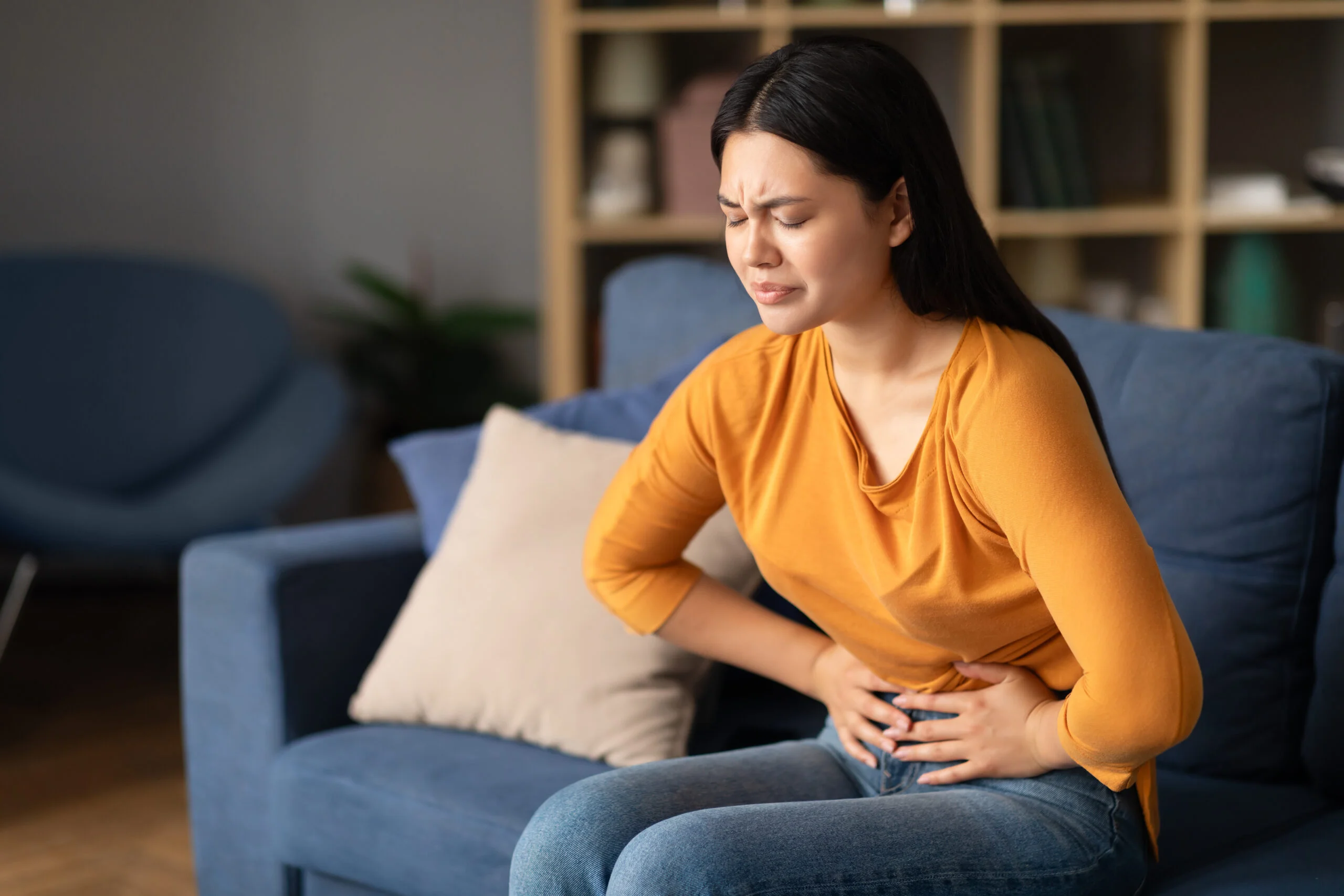
Very heavy bleeding, severe pelvic pain, or prolonged absence of periods should also be evaluated.
Conclusion
PCOS is a manageable health condition, although symptoms and treatment needs differ between individuals. Understanding your symptoms, maintaining healthy habits, and receiving appropriate medical care can help support long-term hormonal and reproductive health.