Vaginal Itching and Irritation: Causes, Care and Prevention
Introduction
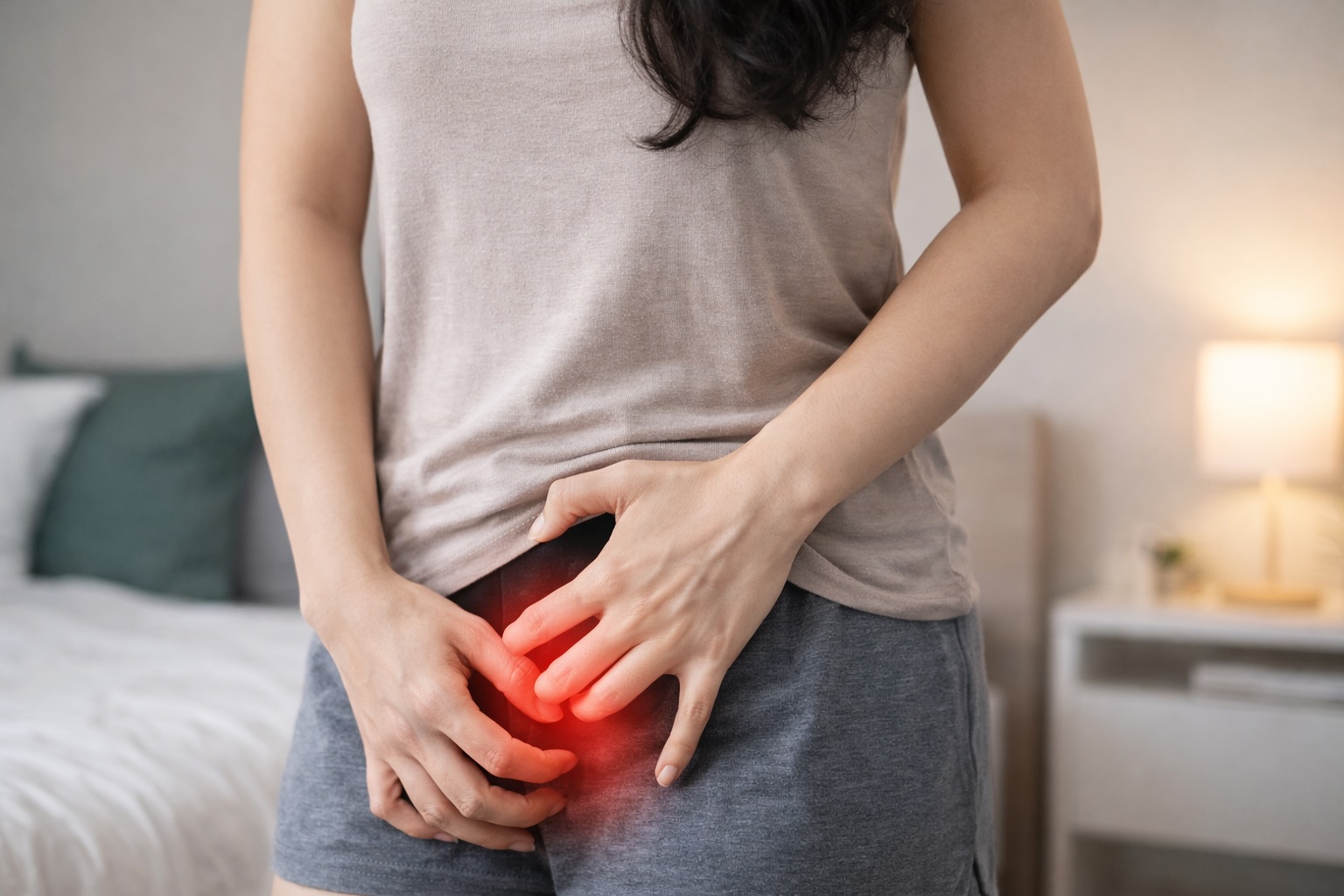
Vaginal itching and irritation are common concerns that can affect women's comfort and daily activities. Symptoms may occur occasionally or continue for longer periods, depending on the cause.
Although irritation may sometimes result from fragranced products or tight clothing, infections and certain skin conditions can also cause similar symptoms. Identifying the cause is important for appropriate care.
1. Common Causes of Vaginal Itching
Possible causes include yeast infections, certain sexually transmitted infections, skin irritation, allergies, and hormonal changes.
Symptoms may include itching, burning, soreness, unusual discharge, or discomfort. These symptoms can overlap, so it is not always possible to identify the cause without a medical evaluation.
2. Avoid Harsh Products
Fragranced soaps, intimate sprays, scented wipes, and harsh cleansers may irritate sensitive skin.
Clean the external genital area gently with water and avoid putting cleaning products inside the vagina. The vagina has its own natural cleaning mechanism.
3. Choose Comfortable Clothing
Wear clean, comfortable underwear and change out of wet or sweaty clothing when possible. Breathable fabrics may help reduce discomfort caused by trapped moisture or friction.
However, clothing changes alone will not treat an underlying infection.
4. Do Not Self-Medicate Repeatedly
Different conditions can produce similar symptoms but require different treatments. Using the wrong cream or medication may delay proper care or worsen irritation.
Avoid inserting home remedies or unverified products into the vagina.
5. When to See a Doctor
Seek medical advice if itching is persistent, keeps returning, or occurs with unusual discharge, unpleasant odor, sores, pain during urination, pelvic pain, or unexpected bleeding.
Severe pelvic pain or fever with genital symptoms requires prompt medical attention.
Conclusion
Vaginal itching and irritation should not be ignored when symptoms continue or worsen. Gentle hygiene and avoiding irritating products may help with comfort, but proper evaluation is important to identify the cause and choose suitable treatment.