Why a Balanced Diet Is Important for Good Health
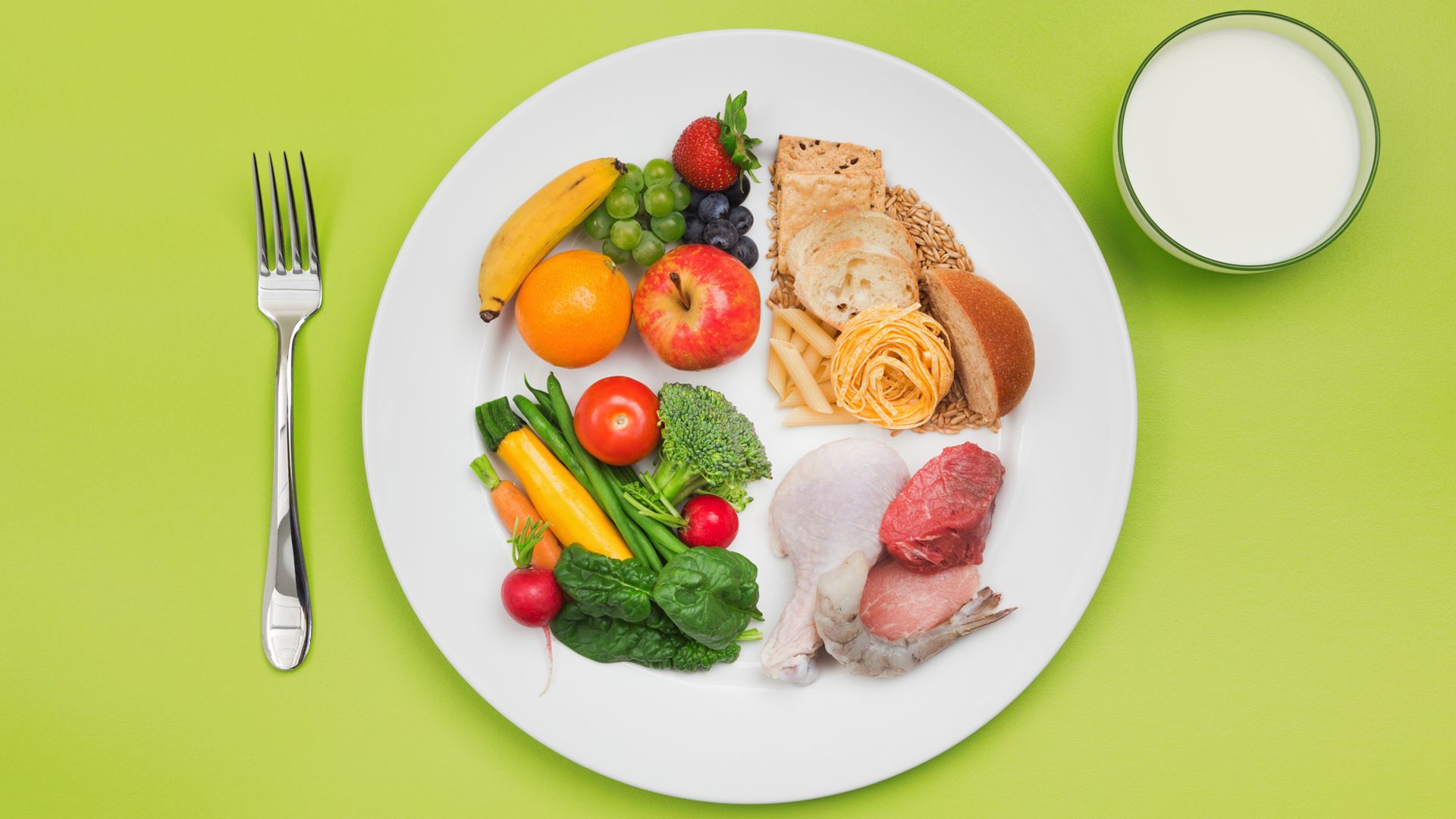
Food is one of the basic foundations of good health. The body needs a variety of nutrients to support energy, growth, repair, immunity, metabolism, and normal daily functions.
A balanced diet does not mean eating the same foods every day or completely avoiding foods you enjoy. Instead, it means including a variety of nutritious foods in appropriate amounts.
1. Include Plenty of Vegetables and Fruits
Vegetables and fruits provide vitamins, minerals, fiber, and other beneficial nutrients. Eating different varieties can help provide a broader range of nutrients.
Try adding vegetables to lunch and dinner and include fresh fruits as part of your regular diet.
2. Choose Healthy Sources of Protein
Protein helps maintain and repair body tissues. Depending on your dietary preferences, healthy protein sources can include pulses, beans, eggs, fish, dairy products, lean meats, nuts, and seeds.
Including protein in meals can also help create satisfying and balanced meals.
3. Choose Whole Grains
Whole grains can provide carbohydrates, fiber, vitamins, and minerals. Foods such as oats, brown rice, whole-wheat products, and other whole grains can be included as part of a balanced eating pattern.
4. Include Healthy Fats
Not all fats are the same. Foods such as nuts, seeds, fish, and certain plant oils can provide healthy fats.
The goal is not to eliminate fats completely but to choose nutritious sources and consume appropriate portions.
5. Limit Excessive Sugar and Processed Foods
Highly processed foods and foods containing large amounts of added sugar or salt are best consumed in moderation.
Instead, focus on a variety of whole and minimally processed foods whenever possible.
6. Drink Enough Water
Healthy eating should be combined with adequate hydration. Water supports many normal body functions and is generally a simple choice for meeting fluid needs.
7. Practice Portion Awareness
Eating nutritious food is important, but portion sizes also matter. Try to listen to your hunger and fullness signals and avoid regularly overeating.
8. Make Healthy Eating Sustainable
Avoid extreme diets that are difficult to maintain. A healthy eating pattern should be practical and suitable for your lifestyle.
Planning meals in advance and keeping healthy foods available at home can make better choices easier.
Conclusion
A balanced diet is an important part of a healthy lifestyle. Including vegetables, fruits, whole grains, proteins, healthy fats, and adequate fluids can help support overall wellness. Consistency and variety are more important than following extreme or complicated diets.