Women’s Sexual Health: Simple Tips for Better Wellness
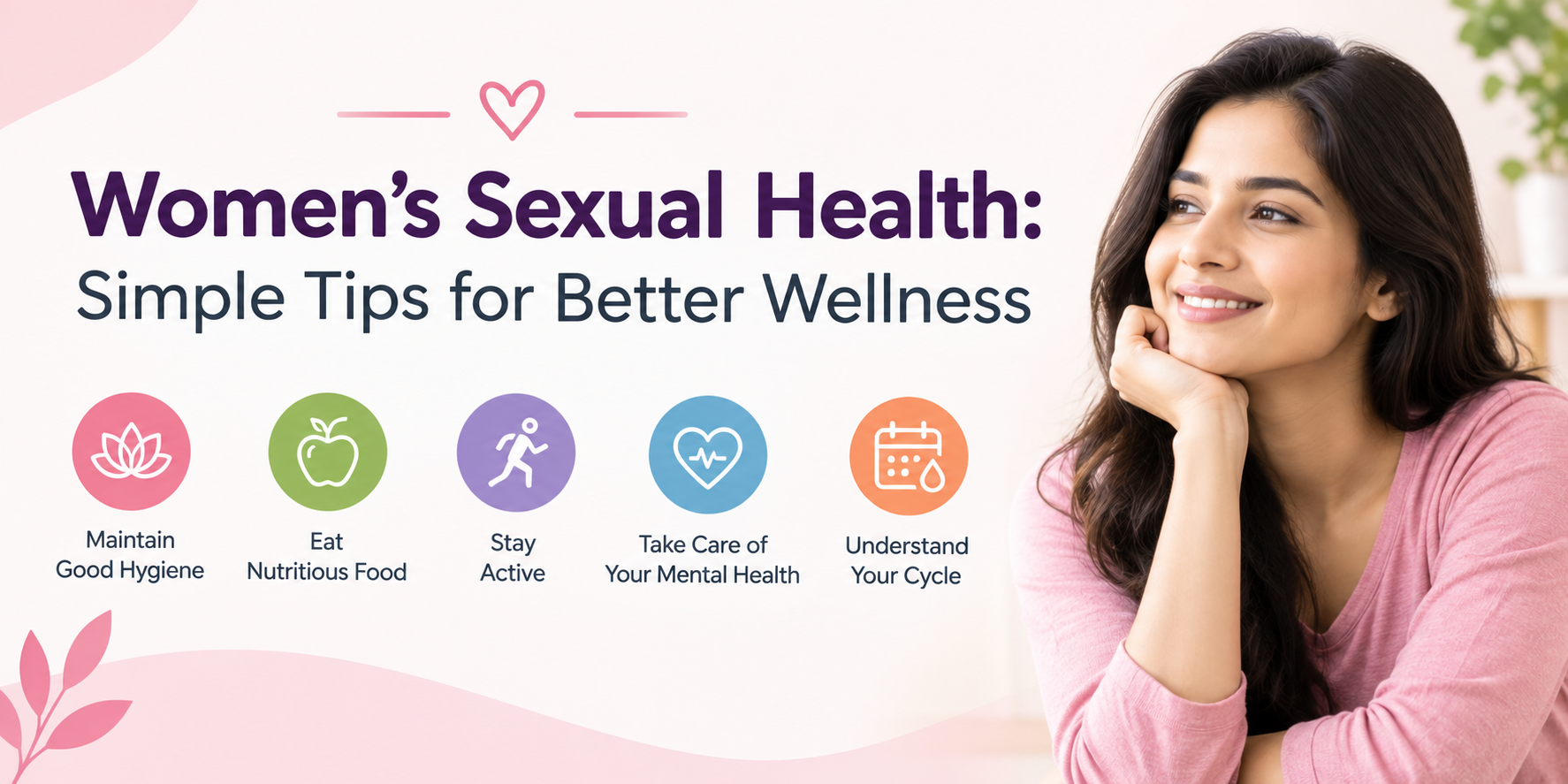
Women’s sexual health is an important part of overall health. It includes reproductive health, intimate hygiene, sexual well-being, emotional health, healthy relationships, and protection from sexually transmitted infections.
Women can experience different sexual health concerns at different stages of life. Understanding the body and paying attention to changes can help support better healthcare decisions.
Understand Your Body
Every woman is different, and menstrual cycles, sexual desire, and other aspects of reproductive health can vary from person to person.
Keeping track of your menstrual cycle can help you understand your normal pattern and notice significant changes that may need professional attention.
Maintain Intimate Hygiene
Gentle intimate hygiene can help maintain comfort and reduce irritation. Clean the external genital area regularly and keep it dry.
Avoid strongly scented products, harsh soaps, and unnecessary cleansing products that may irritate sensitive areas.
Practice Safer Sex
Women who are sexually active should consider appropriate protection against STIs and unintended pregnancy. Condoms can reduce the risk of many STIs when used correctly.
STIs may sometimes occur without noticeable symptoms, so testing can be important depending on individual circumstances.
Pay Attention to Symptoms
Persistent pelvic pain, unusual discharge, itching, sores, burning during urination, or pain during intimacy should not be ignored.
These symptoms can have different causes. A qualified healthcare professional can help determine the possible cause and appropriate treatment.
Emotional Well-Being Matters
Stress, anxiety, relationship concerns, and lack of sleep can affect sexual wellness. Taking care of mental and emotional health is therefore also an important part of women’s sexual health.
Open communication with a partner and professional support when needed can be helpful.
Final Thoughts
Women’s sexual health involves physical, reproductive, and emotional well-being. Good hygiene, safer-sex practices, healthy lifestyle habits, awareness of menstrual changes, and appropriate healthcare can all support better sexual wellness.