

High Blood Pressure (Hypertension) - Unani & Ayurvedic Care
High blood pressure means the blood pushes too hard against the walls of the arteries. A reading of 140/90 or more, on repeated checks, is usually called high. Most people feel nothing at all, which is why it is called a silent condition - yet over the years it strains the heart, brain and kidneys and raises the risk of heart attack and stroke.
At Hashmi Dawakhana, a Unani & Ayurvedic healthcare center in Amroha, care for high blood pressure is given alongside your BP medicines, never instead of them. Our hakeems focus on salt, diet, weight, sleep and stress, and give natural, herbal treatment suited to your health.
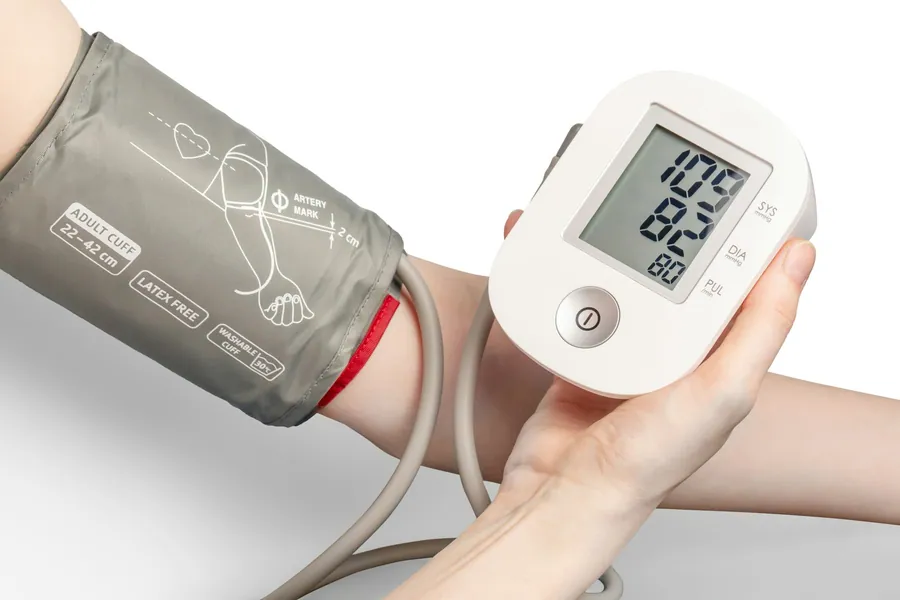
Common signs and symptoms
- Often no symptoms at all - checking is the only way to know
- Headache, especially at the back of the head in the morning
- Dizziness or a heavy head
- Tiredness or poor sleep
- Nosebleeds or blurred vision when BP is very high
Possible causes
- Too much salt, pickles, papad and packaged food
- Weight gain, especially around the waist
- Little physical activity
- Smoking, tobacco, alcohol and stress
- Family history, older age, diabetes and kidney disease
How Unani medicine approaches it
In Unani medicine, high blood pressure is linked to an imbalance of temperament (mizaj) and blood. Care uses individually prescribed Unani and Ayurvedic formulations to support calm, sleep and general health, together with a low-salt diet, walking and weight advice.
BP medicines prevent heart attacks and strokes. Herbal care can be added, but medicines should never be stopped or reduced without your doctor. We will ask you to keep a home BP record so you and your doctor can see how it is going.
- Check of your BP readings, medicines and other health problems
- Individually prescribed natural, herbal Unani and Ayurvedic medicine
- Low-salt, heart-friendly diet plan
- Walking, weight and sleep routine
- Home BP record and regular follow-up
What happens in a consultation
- 1Book a free, confidential consultation by phone, WhatsApp, video call or a clinic visit in Amroha (clinic open 11 AM - 8 PM, every day).
- 2Dr. Hashmi (BUMS, BAMS, MD) takes a detailed history - symptoms, duration, lifestyle, sleep, diet and any medicines you already take.
- 3Your temperament (mizaj) and general health are assessed; tests may be advised if needed.
- 4You receive an individual treatment plan with diet and lifestyle guidance, and follow-ups to review progress.
Lifestyle tips that help
- Keep salt to about one teaspoon (5 g) a day in total, and cut pickles, papad and namkeen
- Walk briskly for 30 minutes on most days
- Eat more vegetables, fruit, dals and whole grains
- Stop smoking and tobacco, and limit alcohol
- Take your BP medicines every day, even when you feel well
When should you see a doctor?
Get emergency help if your BP is very high (around 180/120 or more) with chest pain, breathlessness, a severe headache, weakness or numbness on one side, difficulty speaking or blurred vision. These can be signs of a heart attack or stroke.