

Anaemia (Khoon ki Kami) in Women - Causes, Food and Care
Anaemia means there is too little haemoglobin in the blood to carry oxygen around the body. It is very common in India: the National Family Health Survey (NFHS-5) found that more than half of women aged 15-49 are anaemic. The usual cause is too little iron, from diet, heavy periods or pregnancy, and the result is tiredness that rest does not fix.
At Hashmi Dawakhana in Amroha, women can get anaemia checked and cared for in private. The first step is a simple blood test. Care then combines an iron-rich diet plan, natural, herbal Unani and Ayurvedic support for digestion and strength, and iron tablets when your doctor advises them.
Common signs and symptoms
- Tiredness and low energy that rest does not fix
- Breathlessness or a racing heart on stairs or walking
- Pale skin, pale inside of the eyelids or pale nails
- Dizziness, headaches or cold hands and feet
- Hair fall, brittle nails, or cravings for ice, chalk or mud
Possible causes
- Too little iron in the diet, especially in vegetarian diets
- Heavy periods or bleeding from piles
- Pregnancy and breastfeeding, which need more iron
- Tea or coffee with meals, which reduces iron absorption
- Worms, low vitamin B12 or folate, and some long-term illnesses
How Unani medicine approaches it
In Unani medicine, weakness and pallor are linked to the quality of the blood and to digestion. Care uses individually prescribed Unani and Ayurvedic formulations to support appetite, digestion and strength, together with an iron-rich diet suited to your food habits.
Anaemia must be confirmed with a blood test (haemoglobin, and often ferritin), and its cause found - heavy periods, for example, need their own care. When iron or vitamin tablets are needed, your doctor will advise them; herbal care is given alongside them, not instead of them.
- Private history of your tiredness, periods and diet
- Advice on haemoglobin, ferritin, B12 and thyroid tests
- Iron-rich diet plan that fits your food habits
- Natural, herbal Unani and Ayurvedic care for digestion and strength
- Follow-up blood tests to see how your haemoglobin is changing
What happens in a consultation
- 1Book a free, confidential consultation by phone, WhatsApp, video call or a clinic visit in Amroha (clinic open 11 AM - 8 PM, every day).
- 2Dr. Hashmi (BUMS, BAMS, MD) takes a detailed history - symptoms, duration, lifestyle, sleep, diet and any medicines you already take.
- 3Your temperament (mizaj) and general health are assessed; tests may be advised if needed.
- 4You receive an individual treatment plan with diet and lifestyle guidance, and follow-ups to review progress.
Lifestyle tips that help
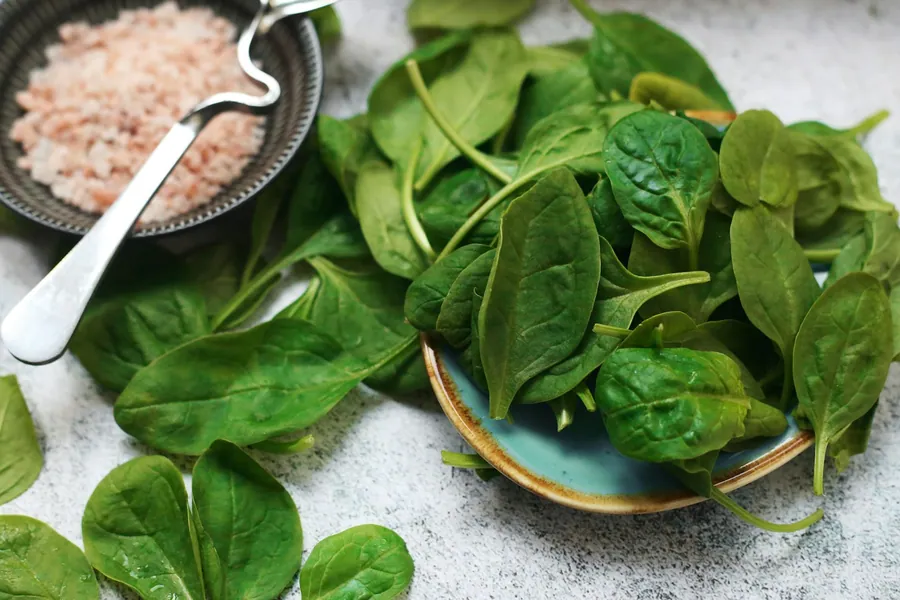
- Eat iron-rich foods daily: green leafy vegetables, chana, rajma, dals, dates and eggs, fish or meat if you eat them
- Have lemon, amla or a fruit with meals - vitamin C helps the body absorb iron
- Drink tea or coffee at least an hour away from meals
- Cook in an iron kadhai now and then
- Treat heavy periods and get deworming advice from your doctor
When should you see a doctor?
See a doctor soon if you are breathless at rest, have chest pain, faint, or notice black stools or blood in vomit or stools. Pregnant women and anyone whose tiredness keeps getting worse should have their haemoglobin checked.