

Painful and Heavy Periods - Causes and Unani & Ayurvedic Care
Some cramping during periods is normal, but pain that keeps you in bed, or bleeding so heavy that you change a pad every hour or two, is not something you have to put up with. Painful periods (dysmenorrhoea) and heavy periods (menorrhagia) are common, and heavy bleeding month after month is a major cause of anaemia in Indian women.
At Hashmi Dawakhana in Amroha, women can talk about period problems in private. Unani and Ayurvedic care gives natural, herbal treatment for pain and bleeding, with diet advice to build iron, and suggests tests such as an ultrasound and a blood count when they are needed to find the cause.
Common signs and symptoms
- Cramps in the lower belly, back or thighs that stop daily work
- Changing a pad or cloth every 1-2 hours, or soaking through at night
- Clots bigger than a coin
- Periods lasting more than 7 days
- Tiredness, dizziness or breathlessness from blood loss
Possible causes
- Natural period cramps, often worst in the teenage years and twenties
- Hormonal imbalance, including PCOS and thyroid problems
- Endometriosis, where period-like tissue grows outside the uterus
- Fibroids or polyps in the uterus
- A copper-T (IUD), some medicines, or bleeding problems
How Unani medicine approaches it
In Unani medicine, period pain and heavy bleeding are linked to the balance of temperament (mizaj) and to the health of the uterus. Care uses individually prescribed Unani and Ayurvedic formulations to ease cramps and support a balanced flow, together with warm compresses, diet and routine advice.
Because heavy or very painful periods can have causes such as endometriosis or fibroids, a check-up comes first: a blood count for anaemia and, when needed, an ultrasound. Herbal care is given alongside any treatment a gynaecologist advises.
- Private history of your periods, pain and bleeding
- Advice on blood count, thyroid and ultrasound when needed
- Individually prescribed natural, herbal Unani and Ayurvedic medicine
- Iron-rich diet plan, and warm compresses for cramps
- Follow-up over a few cycles, and referral to a gynaecologist when needed
What happens in a consultation
- 1Book a free, confidential consultation by phone, WhatsApp, video call or a clinic visit in Amroha (clinic open 11 AM - 8 PM, every day).
- 2Dr. Hashmi (BUMS, BAMS, MD) takes a detailed history - symptoms, duration, lifestyle, sleep, diet and any medicines you already take.
- 3Your temperament (mizaj) and general health are assessed; tests may be advised if needed.
- 4You receive an individual treatment plan with diet and lifestyle guidance, and follow-ups to review progress.
Lifestyle tips that help
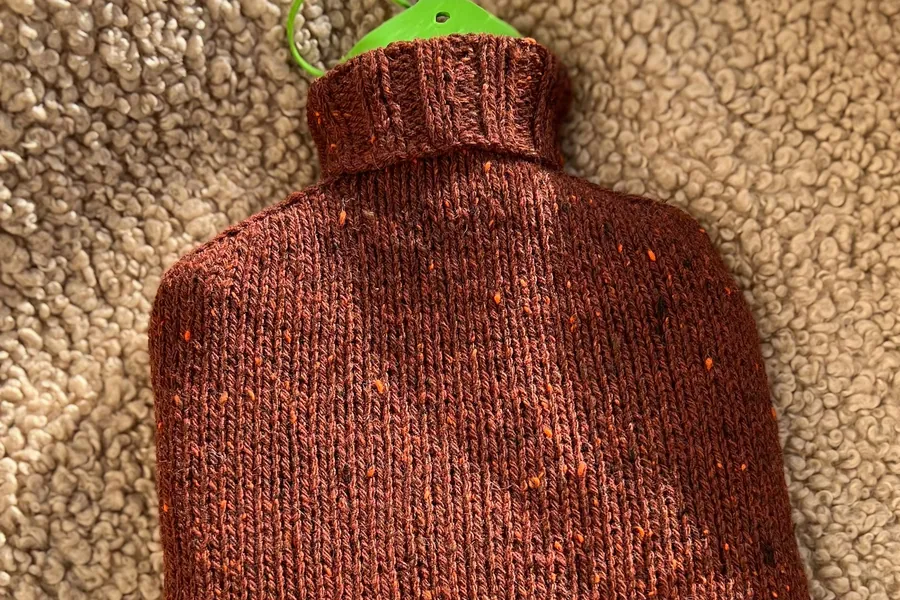
- Use a hot water bottle on the lower belly or back during cramps
- Keep a simple diary of pain, flow and dates to show your doctor
- Eat iron-rich foods: green leafy vegetables, chana, rajma, dates and eggs if you eat them
- Gentle walking and stretching often ease cramps
- Do not take painkillers every month without asking a doctor
When should you see a doctor?
See a doctor urgently if you feel faint, are soaking a pad every hour for several hours, or have severe pain with fever or vomiting. Also get checked for bleeding between periods, after sex or after menopause, and for pain that is getting worse each month.