
Dhat Syndrome: Myths vs Facts About Semen Loss and Weakness
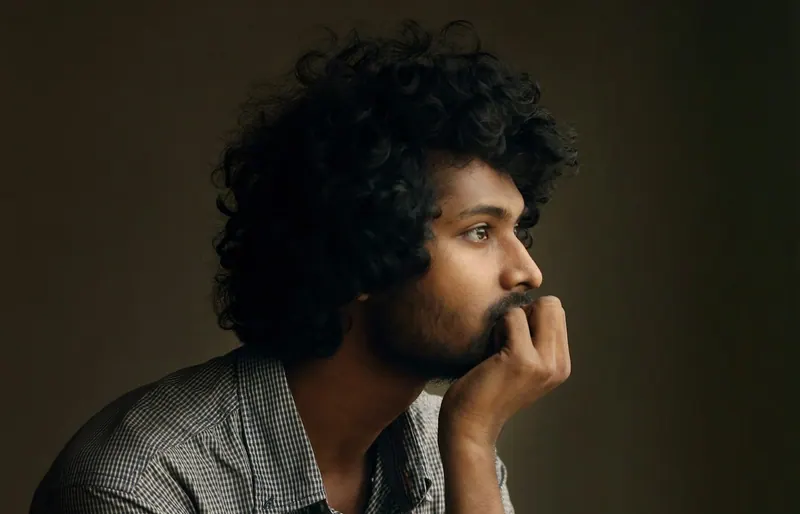
Dhat syndrome is driven by a common belief that losing semen drains strength. Here are the facts about semen, masturbation and weakness - and how anxiety can be treated.
What is dhat syndrome?
Dhat syndrome is a condition, recognised mainly in South Asia, in which a man believes he is losing semen (dhat) - often in urine, during sleep or through masturbation - and feels weakness, tiredness, poor memory, anxiety or low mood because of it. The belief that semen is a vital essence that must be preserved runs deep in traditional culture, which is why the worry is so common.
Myths vs facts
- Myth: one drop of semen equals many drops of blood. Fact: semen is mostly fluid from the prostate and seminal vesicles; the body produces it continuously.
- Myth: masturbation causes weakness, impotence or infertility. Fact: masturbation is a normal behaviour and does not cause physical weakness or infertility.
- Myth: nightfall drains strength. Fact: nightfall is a normal way the body releases stored semen.
- Myth: white discharge in urine is always semen. Fact: cloudy urine is often due to phosphates or other harmless substances; sometimes it is infection - a urine test tells the difference.
Does masturbation cause weakness?
No. Feeling tired afterwards is normal relaxation, and any longer-lasting weakness is far more likely to come from poor sleep, stress, poor diet, anaemia or thyroid problems. Guilt and anxiety about masturbation, however, can cause real symptoms - poor concentration, sleep problems and even sexual difficulties. Those deserve help.
Why the symptoms feel so real
Anxiety produces physical symptoms: fatigue, palpitations, headaches, poor sleep and low energy. When someone believes semen loss is harmful, every symptom seems to confirm the fear, and the cycle continues. Treating the anxiety and correcting the belief usually brings relief.
How dhat syndrome is treated
- Clear explanation and reassurance from a trusted doctor
- Urine test if there is burning, pain or discharge
- Treatment of anxiety, low mood or sleep problems
- Diet, exercise and routine changes
- At Hashmi Dawakhana, individually prescribed Unani treatment where frequent nightfall or weakness is genuinely troubling
Frequently asked questions
This article is for general health education and does not replace a personal consultation with a qualified doctor.