
Remedies for Kidney Stones: What Helps and When to See a Doctor
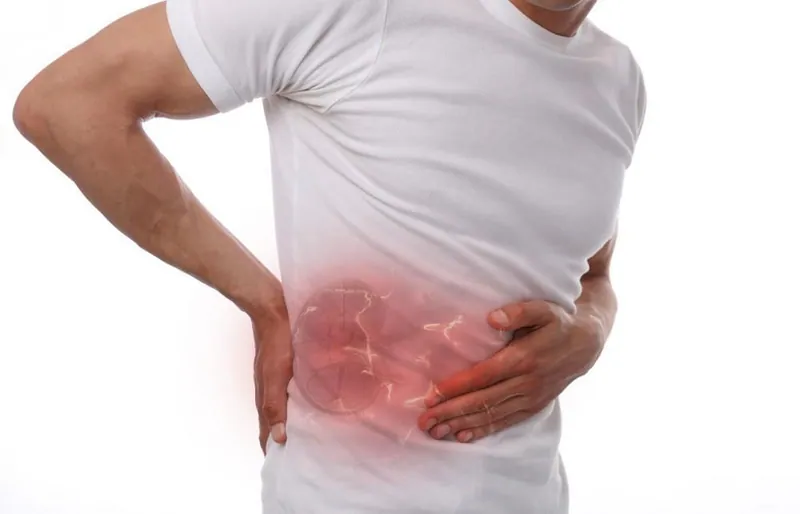
Water, citrus and less salt help small stones pass and stop new ones forming. Here is what the evidence says about everyday and traditional remedies - and when to get urgent care.
Can simple remedies help a kidney stone?
Many kidney stones smaller than about 5 mm pass on their own within a few weeks. Simple remedies can help these small stones move and, more importantly, prevent new stones from forming. Larger stones, or stones causing blockage or infection, need medical treatment - so it helps to know the size and position from an ultrasound before relying on self-care.
Remedies that are backed by evidence
- Drink more water: aim to pass 2-2.5 litres of pale urine a day. This is the single most effective step for both passing and preventing stones.
- Lemon water and citrus: citrate in lemons and oranges helps stop calcium stones forming. Half a lemon squeezed into water two or three times a day is a simple habit.
- Reduce salt: high sodium raises calcium in urine. Cut down on namkeen, pickles, papad and packaged foods.
- Do not cut out calcium: normal dietary calcium (milk, curd) binds oxalate in the gut and actually lowers stone risk. Avoid calcium supplements unless prescribed.
- Moderate oxalate-rich foods if advised: spinach, beetroot, nuts, chocolate and strong tea.
- Limit excess meat and cold drinks, which raise uric acid and stone risk.
Traditional remedies people use
In India, coconut water, barley water (jau ka pani) and horse gram (kulthi dal) are popular traditional remedies. They add fluid and are generally safe for healthy people, though scientific evidence for dissolving stones is limited. People with kidney disease should ask a doctor before using them.
The Unani approach to kidney stones
Unani medicine (where stones are called hisat-e-kulliya) traditionally uses diuretic formulations together with diet and fluid advice for small stones and prevention; evidence that herbal medicines dissolve stones is limited. At Hashmi Dawakhana, Amroha, our hakims always start from your ultrasound report and will tell you when a stone needs a urologist instead.
Warning signs: go to hospital urgently if you have
- Severe pain that does not settle with simple pain relief
- Fever with chills or shivering
- Vomiting that stops you drinking fluids
- Very little or no urine
- Blood clots in urine
Frequently asked questions
This article is for general health education and does not replace a personal consultation with a qualified doctor.