
Joint Pain & Arthritis - Unani Treatment in Amroha
Joint pain is one of the most common reasons people see a doctor after 40. The usual cause is osteoarthritis - wear of the cartilage in knees, hips, hands and the spine - but gout, rheumatoid arthritis, old injuries and vitamin D deficiency can also cause pain, swelling and stiffness.
At Hashmi Dawakhana, Amroha, our hakims combine Unani medicine with regimenal therapy such as massage (dalak) and warm fomentation (takmeed), together with weight, diet and exercise advice. Unani care can be taken alongside the treatment your doctor has prescribed - please do not stop your current medicines.
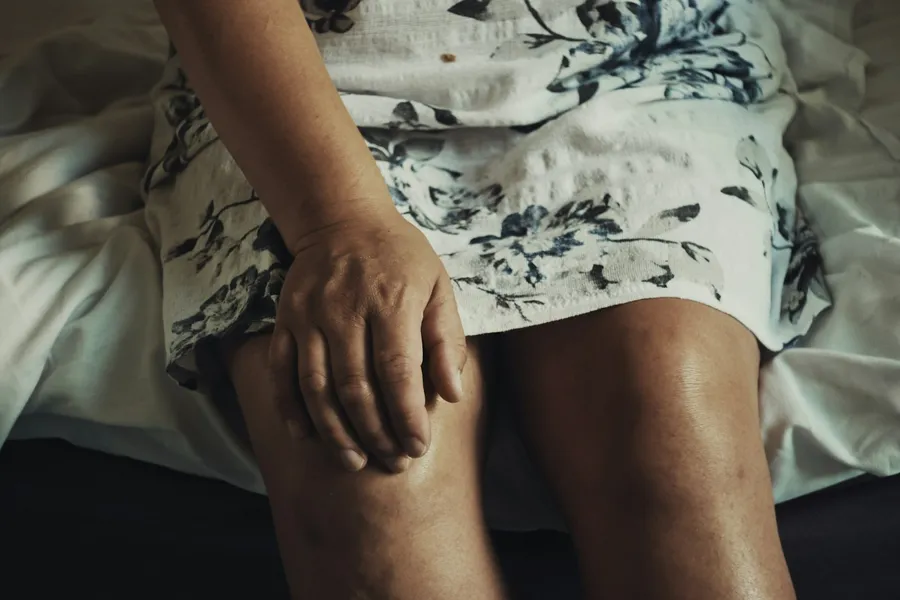
Common signs and symptoms
- Pain in the knees, hips, hands, shoulders or back, often worse after activity
- Morning stiffness that eases as you move
- Swelling, warmth or redness around a joint
- Cracking sounds and reduced movement
- Sudden severe pain in one joint, often the big toe (gout)
Possible causes
- Age-related wear of cartilage (osteoarthritis)
- Being overweight, which loads the knees and hips
- High uric acid (gout) or inflammatory arthritis
- Old injuries and repetitive strain
- Low vitamin D, little activity and weak muscles
How Unani medicine approaches it
Unani medicine describes joint pain (waja-ul-mafasil) as an accumulation of abnormal humours in the joints. Treatment uses individually prescribed formulations to reduce pain and inflammation, together with regimenal therapy (ilaj bil tadbeer) such as medicated oil massage (dalak) and warm fomentation (takmeed), and diet changes.
Exercise is part of the treatment, not something to avoid: stronger muscles protect the joints. Severe deformity, a joint that has locked, or arthritis that keeps damaging the joint may need an orthopaedic or rheumatology opinion, and we will tell you when.
- Assessment of which joints are affected and the likely type of arthritis
- Review of reports such as X-ray, uric acid, vitamin D and blood tests
- Individually prescribed Unani formulations and medicated oils
- Massage and warm fomentation routine you can follow at home
- Weight, diet and gentle exercise plan, with follow-up
What happens in a consultation
- 1Book a free, confidential consultation by phone, WhatsApp, video call or a clinic visit in Amroha (clinic open 11 AM - 8 PM, every day).
- 2Dr. Hashmi (BUMS, MD) takes a detailed history - symptoms, duration, lifestyle, sleep, diet and any medicines you already take.
- 3Your temperament (mizaj) and general health are assessed; tests may be advised if needed.
- 4You receive an individual treatment plan with diet and lifestyle guidance, and follow-ups to review progress.
Lifestyle tips that help
- Keep moving - daily walking and gentle strengthening exercises
- Lose extra weight; every kilo less reduces load on the knees
- Use warm compresses for stiffness
- With gout, limit red meat, organ meat, alcohol and sugary drinks, and drink enough water
- Get vitamin D checked if you have bone or muscle aches
When should you see a doctor?
See a doctor promptly for a hot, red, very swollen joint (especially with fever), a joint you cannot move or put weight on after a fall, pain with numbness or weakness in a leg, or back pain with loss of bladder or bowel control - the last one is an emergency.