
Asthma (Dama) - Unani Care for Breathing Problems
Asthma is long-term inflammation of the airways that makes them narrow and sensitive. It causes wheezing, cough and breathlessness that come and go, often triggered by dust, smoke, cold air, infections or exercise. Pollution and seasonal changes in north India make symptoms worse for many people.
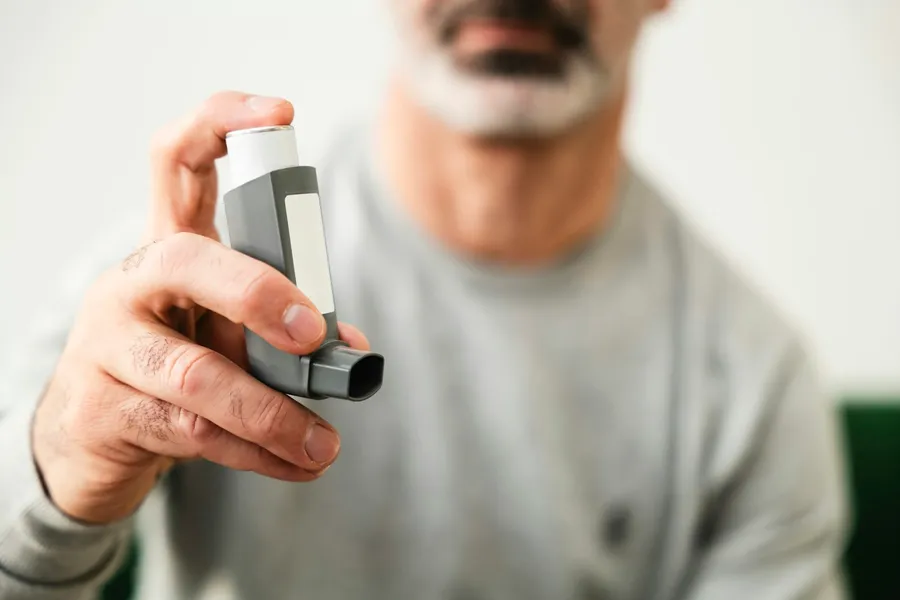
At Hashmi Dawakhana, Amroha, Unani care for asthma (dama, zeeq-un-nafas) is given alongside your inhalers, never instead of them. Our hakims focus on triggers, digestion, phlegm and general strength. Inhalers are the safest and most effective asthma treatment - please do not stop them.
Common signs and symptoms
- Wheezing or a whistling sound while breathing
- Shortness of breath, especially at night or early morning
- Cough that lingers, often worse at night
- Tightness in the chest
- Symptoms triggered by dust, smoke, cold air, colds or exercise
Possible causes
- Family history of asthma, allergies or eczema
- Allergy to dust mites, pollen, mould or pets
- Smoke - cigarettes, chulha, incense and burning waste
- Air pollution and cold, dry air
- Respiratory infections and, for some, certain painkillers
How Unani medicine approaches it
In Unani medicine, asthma (zeeq-un-nafas) is linked to excess phlegm (balgham) and sensitivity of the airways. Unani care uses individually prescribed formulations to ease phlegm and cough, steam inhalation, and diet and lifestyle advice that reduce triggers and support general health.
Inhalers - especially daily preventer inhalers - reduce airway inflammation and prevent dangerous attacks. Unani care can be added for comfort and wellbeing, but stopping inhalers is a common cause of severe attacks. We will always advise you to keep your asthma action plan.
- Assessment of symptoms, triggers and your current inhalers
- Individually prescribed Unani formulations for phlegm and cough
- Steam and warm fluid routine during colds
- Trigger plan for dust, smoke and seasonal changes
- Follow-up, with a clear note on when to use your reliever inhaler
What happens in a consultation
- 1Book a free, confidential consultation by phone, WhatsApp, video call or a clinic visit in Amroha (clinic open 11 AM - 8 PM, every day).
- 2Dr. Hashmi (BUMS, MD) takes a detailed history - symptoms, duration, lifestyle, sleep, diet and any medicines you already take.
- 3Your temperament (mizaj) and general health are assessed; tests may be advised if needed.
- 4You receive an individual treatment plan with diet and lifestyle guidance, and follow-ups to review progress.
Lifestyle tips that help
- Keep using your inhalers exactly as prescribed, even when you feel well
- Avoid smoke - do not smoke, and keep away from chulha and burning waste
- Wash bedding in hot water weekly and keep rooms dust-free
- Wear a mask on high-pollution days
- Get the yearly flu vaccine if your doctor advises
When should you see a doctor?
Call for emergency help if you are too breathless to speak in full sentences, your lips or fingernails turn blue, your reliever inhaler does not help or you need it every few hours, or you feel drowsy or confused during an attack.