Ayurvedic Treatment and Unani Treatment: Similarities, Differences and How to Choose
Ayurveda and Unani are India’s best-known traditional systems of herbal medicine. Here is what Ayurvedic treatment involves, how it compares with Unani treatment, and how to use either safely.
What is Ayurvedic treatment?
Ayurveda is a traditional system of medicine that began in India more than 3,000 years ago. It explains health as a balance of three doshas - vata, pitta and kapha - and Ayurvedic treatment aims to restore that balance with herbal medicine, diet, a daily routine (dinacharya), yoga and cleansing therapies such as Panchakarma.
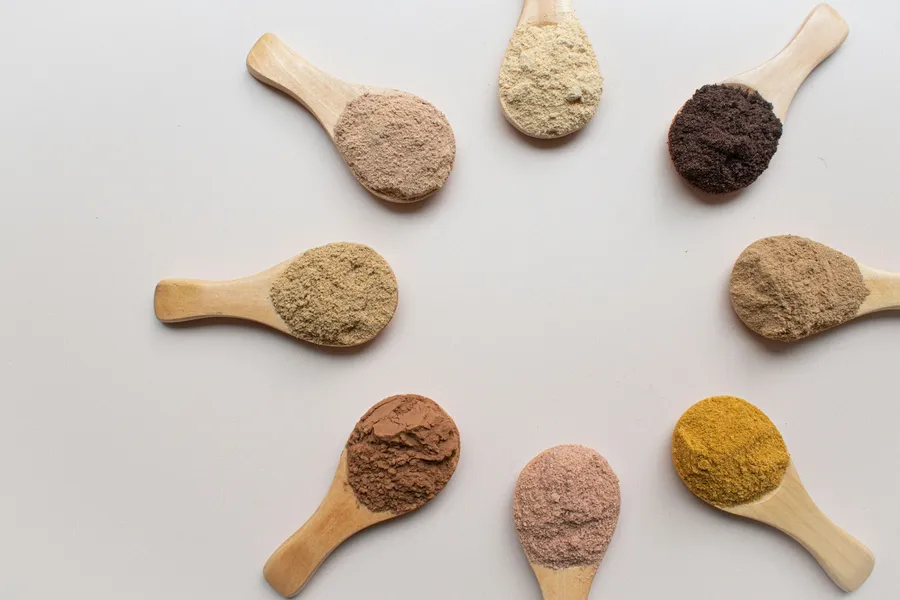
Ayurvedic doctors train for a BAMS degree (Bachelor of Ayurvedic Medicine and Surgery), and Ayurveda is recognised and regulated in India under the Ministry of AYUSH. Common Ayurvedic medicines include churna (powders), asava and arishta (fermented tonics), ghrita (medicated ghee) and bhasma (processed mineral preparations).
What is Unani treatment?
Unani medicine (Tibb-e-Unani) grew from the Greek medicine of Hippocrates and Galen, was developed by Arab and Persian physicians such as Ibn Sina, and has been practised in India for centuries. It explains health as a balance of four humours (akhlat) and each person’s temperament (mizaj).
Unani treatment combines diet (Ilaj bil Ghiza), regimen and therapies such as massage and cupping (Ilaj bil Tadbeer) and medicines (Ilaj bil Dawa) such as majoon, khamira, sharbat and arq. Unani hakims train for a BUMS degree, and Unani is also regulated under the Ministry of AYUSH.
What Ayurvedic and Unani treatment have in common
- Both treat the whole person, not only the symptom
- Treatment is individual: two people with the same problem may get different plans
- Diet, sleep, exercise and stress are part of the treatment
- Many herbs are used in both, such as ashwagandha (asgand), amla, ginger (zanjabeel), turmeric and honey
- Both are recognised in India under AYUSH, and good clinical-trial evidence is still limited for many products
Key differences between Ayurveda and Unani
- Theory: Ayurveda works with three doshas; Unani with four humours and temperament
- Therapies: Ayurveda is known for Panchakarma; Unani for regimenal therapies such as dalak (massage) and hijama (cupping)
- Medicines: Ayurvedic churna, asava and bhasma; Unani majoon, khamira, sharbat and arq
- Texts and training: Ayurveda draws on Sanskrit texts (BAMS doctors); Unani on Arabic, Persian and Urdu texts (BUMS hakims)
Ayurvedic treatment for common health problems
People often look for Ayurvedic treatment for joint pain, piles, kidney stones, digestion, skin and hair problems, diabetes support and sexual health. Unani offers its own approach to all of these, and in both systems the first step is a proper assessment of the cause.
For long-term conditions such as diabetes, asthma or high blood pressure, Ayurvedic or Unani care should be taken alongside the medicines your doctor prescribes - never instead of them. Stopping insulin, inhalers or BP tablets can be dangerous.
How to use Ayurvedic or Unani medicine safely
- See a registered practitioner - a BAMS doctor for Ayurveda or a BUMS hakim for Unani
- Buy only licensed products that show the manufacturer’s AYUSH licence number
- Avoid unlabelled “herbal” or “Ayurvedic” tablets sold online - some have been found to contain heavy metals or hidden prescription drugs
- Tell every doctor about all medicines and supplements you take
- Be wary of promises of a permanent cure or guaranteed result - such advertising is restricted under the Drugs and Magic Remedies Act
Looking for an Ayurvedic doctor in Amroha?
Hashmi Dawakhana is a Unani clinic: our hakims practise Unani medicine, not Ayurveda. Many people who first search for Ayurvedic treatment in Amroha want a natural, traditional, whole-person approach - and Unani offers exactly that, with a free and confidential consultation with Dr. Hashmi (BUMS, MD), in the clinic or online.
If you specifically want Ayurvedic medicine, please consult a registered Ayurvedic (BAMS) doctor.
Frequently asked questions
This article is for general health education and does not replace a personal consultation with a qualified doctor.