
Height Increase - What Really Works and What Doesn't
Height is decided mostly by genes, with nutrition, sleep, health and activity deciding whether a child reaches their full potential. Children grow until the growth plates in their bones close - usually around 14-16 years in girls and 16-18 years in boys, sometimes a little later.
At Hashmi Dawakhana, Amroha, we give honest guidance: no medicine, oil, powder or exercise can make an adult taller once growth has stopped. For children and teenagers who are still growing, good food, sleep, activity and treating any health problem make a real difference - and a child who is much shorter than others their age should be checked by a doctor.
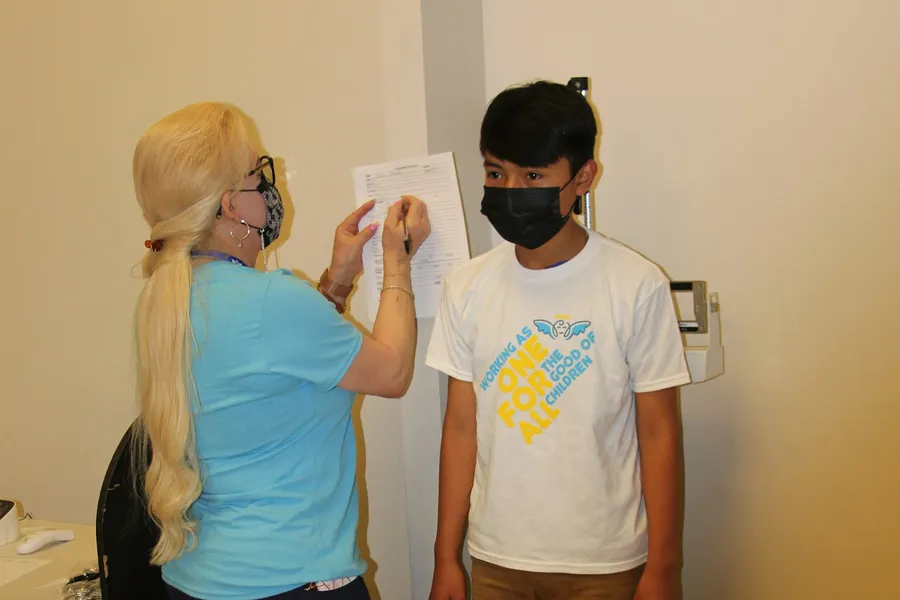
Common signs and symptoms
- A child much shorter than classmates or family members
- A child who has stopped growing or grows less than about 4-5 cm a year before puberty
- Puberty starting very late (no signs by about 13 in girls or 14 in boys)
- Poor appetite, frequent illness or tiredness in a growing child
- An adult worried about height after growth has finished
Possible causes
- Parents' height (the main factor)
- Poor nutrition, especially low protein, calcium, iron and zinc
- Too little sleep in childhood and adolescence
- Long-term illness - anaemia, coeliac disease, worms, asthma
- Hormone problems such as low thyroid or growth hormone (uncommon)
How Unani medicine approaches it
For children and teenagers who are still growing, Unani care focuses on appetite, digestion and general health so the child can use their natural growth potential, alongside a nutrition plan and lifestyle advice. We look for treatable problems such as anaemia or poor appetite, and refer to a paediatrician or paediatric endocrinologist when growth looks abnormal.
After growth plates close, height cannot be increased by medicine. Good posture, strengthening exercises and healthy weight can help you stand straighter and look taller, but products that promise extra centimetres in adults are not honest - and some contain hormones or steroids.
- Review of height and weight over time, and parents' heights
- Check for anaemia, poor appetite, frequent illness or late puberty
- Nutrition plan with protein, milk or curd, dal, eggs, fruit and vegetables
- Sleep and activity routine for growing children
- Referral for growth assessment (bone age, thyroid, hormones) when needed
What happens in a consultation
- 1Book a free, confidential consultation by phone, WhatsApp, video call or a clinic visit in Amroha (clinic open 11 AM - 8 PM, every day).
- 2Dr. Hashmi (BUMS, MD) takes a detailed history - symptoms, duration, lifestyle, sleep, diet and any medicines you already take.
- 3Your temperament (mizaj) and general health are assessed; tests may be advised if needed.
- 4You receive an individual treatment plan with diet and lifestyle guidance, and follow-ups to review progress.
Lifestyle tips that help
- Children need 9-11 hours of sleep and teenagers 8-10 hours
- Give protein at every meal - dal, milk, curd, paneer, eggs, chicken or soya
- Encourage daily outdoor play, sport, cycling or swimming
- Limit junk food and sweet drinks, which fill up without nourishing
- Avoid height pills, hormone injections or steroids without a specialist
When should you see a doctor?
See a paediatrician if your child is much shorter than others their age, grows very slowly or stops growing, or shows no signs of puberty by about 13 (girls) or 14 (boys). Growth problems are easier to treat when found early.